Victoria Real Estate and Community News

May 8, 2026

New Build vs Resale Homes in Victoria, BC (2026): Which Is Better for You?

New Build vs Resale Homes in Victoria, BC (2026): Which Is Better for You?

Quick Answer

Choosing between a new build and a resale home in Victoria BC depends on your lifestyle, budget, timeline, and long-term goals.

  • New builds often offer modern layouts, energy efficiency, and lower maintenance early on.
  • Resale homes typically provide established neighborhoods, mature landscaping, and better central locations.

One of the biggest decisions home buyers face in Victoria BC is whether to purchase a new build or a resale property.

Many buyers also search “new build vs resale homes Victoria BC pros and cons” or “should I buy new construction or resale in Victoria BC” when deciding which option fits best.

And in many cases, the decision goes beyond finishes or age.

It’s really about how you want your day-to-day life to feel once you move in.

Some buyers are drawn to the simplicity and efficiency of a new build. Others are looking for the character, location, and community feel that often comes with resale homes.

We’re Anna Hakim and Perry Fanthorpe from the Happy Homes Team. When we guide clients through this decision, we focus less on hype and more on helping buyers understand how each option fits into their long-term lifestyle and financial comfort.

Because buying a home is rarely just about the property itself.

It’s about how your home supports your life over time.

Why This Decision Matters More in Victoria BC

In the Greater Victoria real estate market, the choice between a new build and resale home can significantly affect:

  • Monthly ownership costs
  • Commute and convenience
  • Maintenance responsibilities
  • Long-term flexibility
  • Lifestyle comfort

Across Vancouver Island, buyers are often balancing:

  • Newer suburban developments
  • Established central neighborhoods
  • Lifestyle priorities versus financial comfort

👉 If you’re early in the process, it also helps to understand the step-by-step home buying process in Victoria BC (2026 guide) before narrowing down property types.
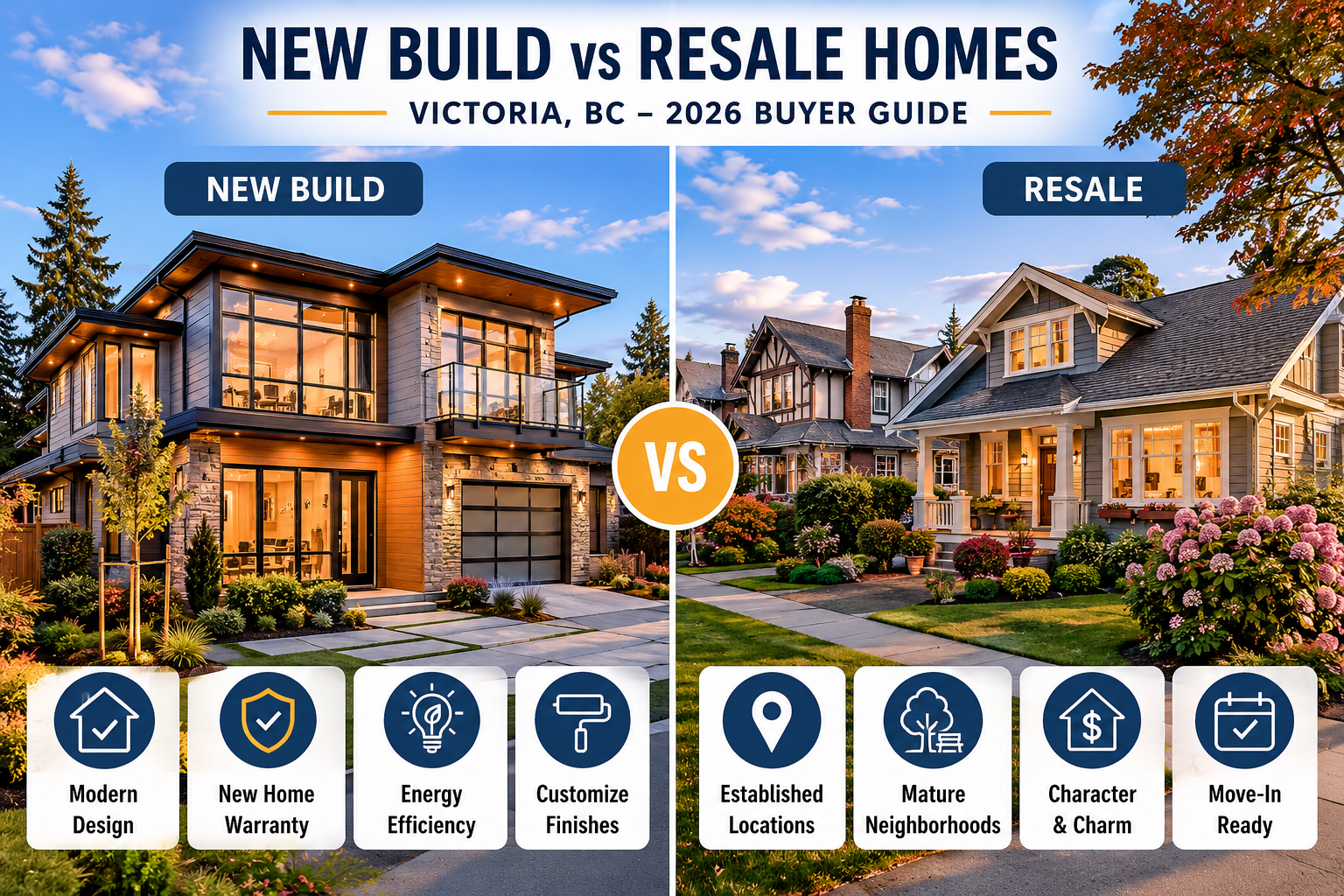
🔍 Is It Better to Buy New or Resale in Victoria BC?

For buyers in Victoria BC, the better option depends less on the property itself and more on how you want your life to function over tiem.

New Builds Often Appeal to Buyers Looking For:

  • Lower maintenance
  • Modern layouts
  • Energy efficiency
  • Predictable ownership costs early on

Resale Homes Often Appeal to Buyers Who Value:

  • Established neighborhoods
  • Larger lots
  • Central locations
  • Community character

Neither option is automatically better.

The right fit depends on your priorities, timeline, and comfort level with ongoing costs or future updates.

Advantages of New Build Homes in Victoria BC

Newly built homes continue to attract buyers who value convenience and simplicity

Modern Layouts and Energy Efficiency

Most new homes are designed around how people live today

That often means:

  • Open-concept spaces
  • Larger kitchens
  • Better insulation
  • More energy-efficient systems

This can help reduce utility costs and improve comfort.

Lower Maintenance Costs Initially

One reason many buyers lean toward new construction is predictability.

In the early years, you’re less likely to face:

  • Roof replacement
  • Plumbing failures
  • Major appliance repairs

For some buyers, that added stability matters.

Builder Warranty Protection

In British Columbia, new homes are typically covered under the 2-5-10 home warranty program, regulated by BC Housing.

This generally includes:

  • 2-year labour/material coverage
  • 5-year building envelope protection
  • 10-year structural coverage

For many buyers, especially those purchasing newer construction for the first time, that added reassurance can help the transition into homeownership feel more comfortable and predictable.

What Buyers Should Consider About New Builds

New doesn’t always mean easier.

There are trade-offs buyers should understand clearly.

Location Differences

In areas like Langford and Westshore, new developments are more common.

These communities can offer:

  • More space
  • Newer infrastructure
  • Family-oriented layouts

But they may also involve:

  • Longer commutes
  • Less walkability
  • Amenities that are still expanding as communities grow

For some buyers, that trade-off feels worthwhile because they gain newer homes, more space, and growing communities. For others, being closer to established neighborhoods, restaurants, schools, or the downtown core becomes more important over time.

Upgrade Costs and Additional Costs to Plan For

One of the biggest surprises for buyers purchasing new construction is realizing how many costs exist beyond the base purchase price.

One of the most important is GST.

Many newly built homes in British Columbia are subject to GST, and for buyers who haven’t purchased new construction before, this can feel like a major unexpected expense if it hasn’t been planned for early.

Additional expenses may include:

  • GST
  • Appliance packages
  • Landscaping
  • Window coverings
  • Upgrade selections

These costs can add up quickly and significantly affect your overall budget.

That doesn’t mean new construction isn’t the right fit. It simply means buyers benefit from understanding the full financial picture before moving forward.

👉 This is why understanding the hidden costs of buying a house in Victoria BC (full breakdown) is so important before making a decision.

Advantages of Resale Homes in Victoria BC

Resale homes attract buyers for a different set of reasons.

And often, those reasons are tied more closely to lifestyle and location.

Established Neighborhoods

Neighborhoods like Oak Bay, Fairfield, Gordon Head, and parts of Saanich offer:

  • Mature trees
  • Established schools
  • Walkability
  • Community feel

For many buyers, that atmosphere matters just as much as the home itself.

Often Better Locations

Older homes are frequently located closer to:

  • Downtown Victoria
  • Waterfront areas
  • Restaurants and cafes
  • Transit routes

That convenience can significantly shape your day-to-day lifestyle.

More Negotiation Flexibility

Depending on market conditions, resale homes may offer:

  • More room for negotiation
  • Opportunities based on updates needed
  • Greater flexibility around timing

That can create opportunities buyers may not find with new construction.

What Buyers Should Consider About Resale Homes

Resale homes also come with realities buyers should plan for.

Renovation and Maintenance Costs

Older homes may require:

  • Roof updates
  • Electrical upgrades
  • Plumbing improvements
  • Window replacement

Some homes are beautifully updated. Others may need more work over time.

Energy Efficiency Can Vary

Unlike new construction, energy efficiency in resale homes can differ significantly depending on the age and condition of the property.

That may impact:

  • Utility costs
  • Heating efficiency
  • Overall maintenance

👉 We often recommend reviewing the home inspection carefully before moving forward.

💰 What Are the Total Costs of New Build vs Resale?

One of the biggest misconceptions buyers have is assuming the listing price tells the whole story.

In reality, both options come with different financial considerations.

New Build Costs Often Include:

  • GST
  • Upgrade packages
  • Landscaping
  • Appliance packages
  • Developer fees

Resale Home Costs May Include:

  • Renovations
  • Deferred maintenance
  • Inspection-related repairs
  • Older systems replacement

Property taxes, insurance, and maintenance can also vary depending on location and property age.

This is why we guide buyers through the full ownership picture, not just the purchase price.


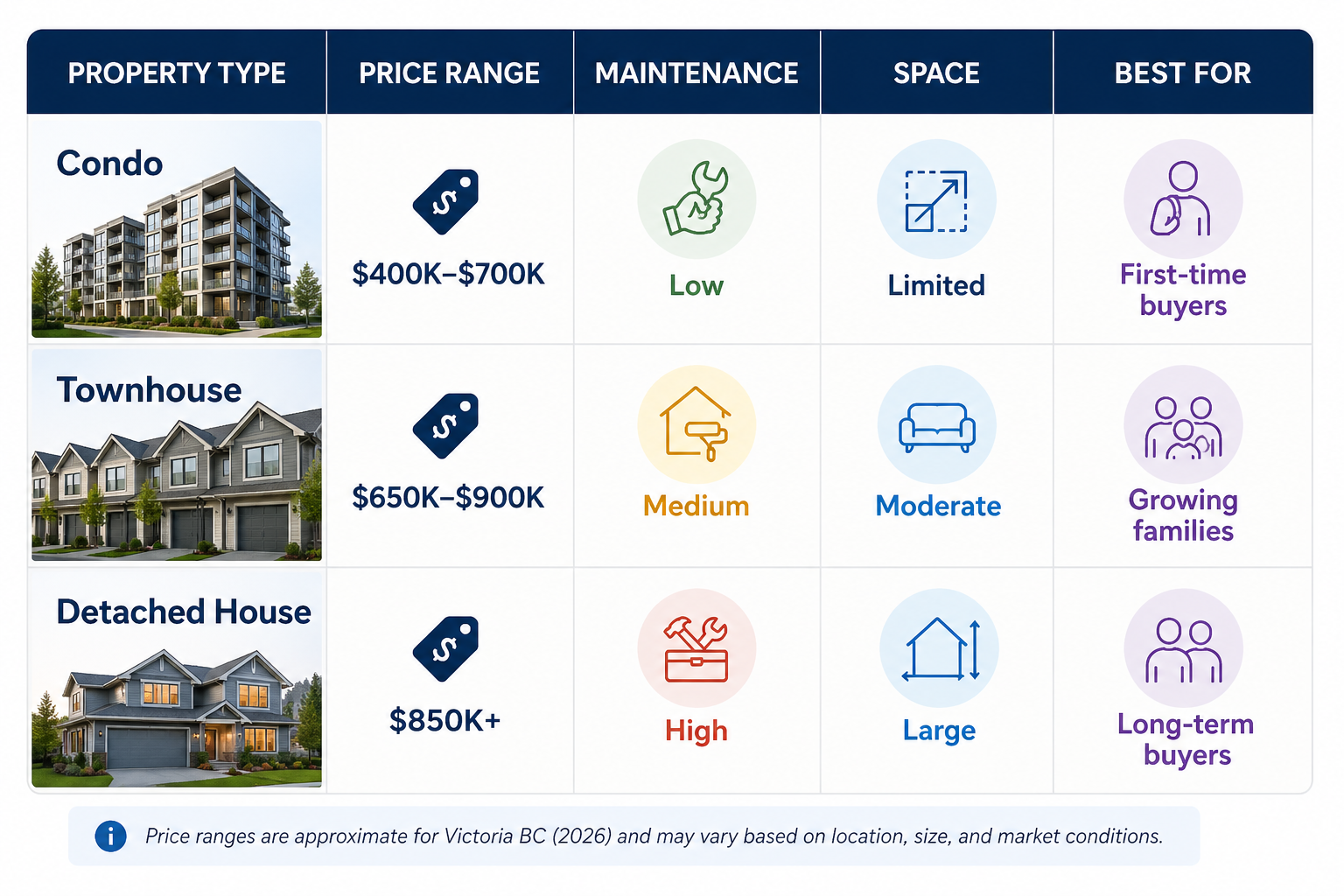
Here’s a Side-by-Side Comparison of New Build vs Resale Homes in Victoria BC
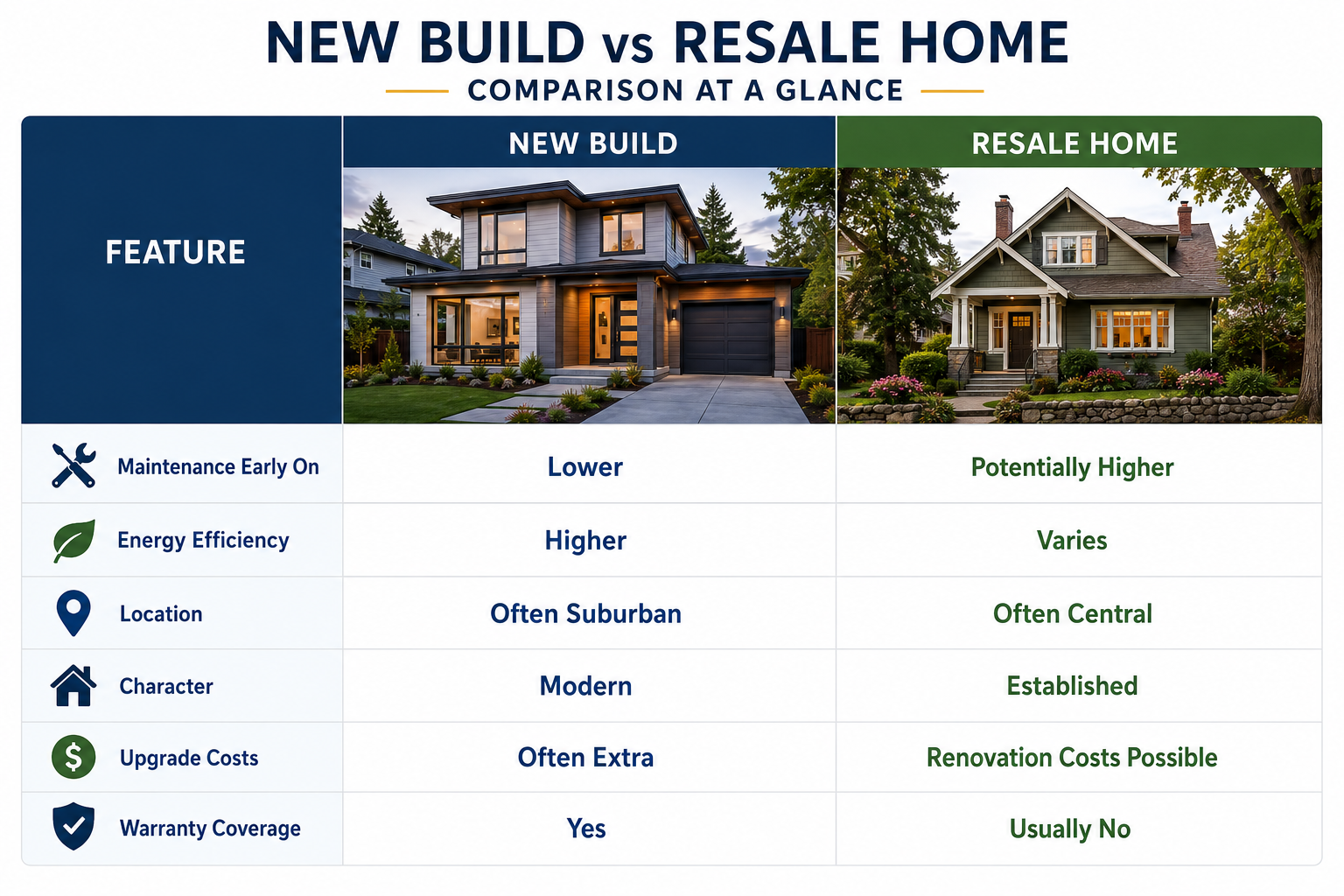
What This Looks Like in Real Life

This is usually where the decision becomes clearer.

If your priority is:

  • Simplicity
  • Predictable maintenance
  • Modern finishes

A new build may feel like a better fit.

If your priority is:

  • Character
  • Walkability
  • Established surroundings

A resale home may align more naturally.

Neither choice is automatically right or wrong.

The goal is finding the option that feels sustainable for how you actually want to live.

Common Mistakes Buyers Make

We often see buyers:

  • Focus only on aesthetics
  • Underestimate ongoing costs
  • Stretch their budget for upgrades
  • Ignore commute and neighborhood fit

👉 These often overlap with broader home buying mistakes in Victoria BC, especially when decisions are made emotionally instead of strategically.

How We Help Buyers Navigate This Decision

As AI Certified Agents, we use advanced marketing and research tools to help buyers make more informed decisions throughout the process.

That includes:

  • Helping buyers compare neighborhoods more efficiently
  • Identifying market opportunities faster
  • Analyzing ownership costs more clearly
  • Providing better visibility into available options across Victoria and Vancouver Island

The goal is never to replace the human side of the process.

It’s to combine technology with thoughtful guidance so buyers feel more informed, prepared, and supported.

Important Disclaimer


Please note: We are licensed real estate agents, not lawyers, accountants, mortgage brokers, insurance advisors, or strata professionals. This article is intended for general educational and informational purposes only and should not be considered legal, financial, tax, mortgage, insurance, investment, or strata advice. Rules, bylaws, financing requirements, ownership costs, insurance considerations, and strata regulations can change over time and may vary depending on the building and individual circumstances. Buyers should always consult qualified legal, financial, mortgage, insurance, and strata professionals regarding their specific situation before making real estate decisions.

Conclusion

The decision between a new build and a resale home in Victoria BC isn’t really about choosing the “better” option.

It’s about choosing the option that supports your lifestyle, priorities, and long-term comfort most naturally.

    • For buyers entering the market in 2026, understanding new build vs resale homes in Victoria BC is key to making a confident and financially sustainable decision.

When buyers take the time to understand the full picture, the right direction usually becomes much clearer.

Your Next Step

Contact Anna Hakim and Perry Fanthorpe today at +1 250 885 7399 or visit Happy Homes Team, and let’s talk about what your next move in Victoria, BC could look like. 

Get a clear breakdown of new build vs resale costs, neighborhoods, and monthly ownership before making your decision.

We can help you:

  • Compare ownership costs clearly
  • Understand neighborhood trade-offs
  • Align your budget with your long-term goals
  • Build a buying strategy that feels realistic and grounded

Or if you’d rather start with a conversation:

👉 Start here:

Victoria BC Real Estate Blog

If you’re starting to think about what kind of lifestyle you want your next home to support, we’re here to talk it through.

Happy Homes Team | eXp Realty Victoria

Homes with soul. Strategy with heart.

Frequently Asked Questions

Q: Are new build homes more expensive in Victoria BC?

New build homes in Victoria BC are typically more expensive per square foot and may include additional costs like GST and upgrades.

Q: Are resale homes better investments?

It depends on the neighborhood, condition, and your long-term goals. Established areas often hold strong long-term appeal.

Q: Do new builds have lower maintenance costs?

Generally yes, especially in the first few years, since systems and appliances are new.

Q: Which is better for first-time buyers?

That depends on budget, lifestyle, comfort with maintenance, and location priorities.
May 7, 2026

Property Tax in Victoria BC (2026): How Much You’ll Pay + Monthly Cost Breakdown

Property Tax in Victoria BC (2026): How Much You’ll Pay + Monthly Cost Breakdown

Quick Answer:

Property tax in Victoria BC is based on assessed property value, municipal tax rates, local levies, and available services. Many Greater Victoria homeowners experience effective residential property tax costs somewhere roughly in the range of 0.3%–0.6% of assessed value before grants, depending on the municipality and property type.

In Victoria BC, property taxes are influenced by more than just your home’s assessed value. Municipal tax rates, school taxes, regional levies, utility charges, and local assessments can all affect your total annual costs.

Buying a home in Victoria BC comes with more than just the purchase price.

Many buyers search “how much is property tax in Victoria BC” or “Victoria BC property tax rates 2026” while planning their budget. This is one of those costs that quietly shapes how your home feels financially month to month.

We’re Anna Hakim and Perry Fanthorpe from the Happy Homes Team. When we guide clients, we don’t treat property tax as a side note. We treat it as part of how your home fits into your life, both now and long term.

Why Property Tax Matters More Than You Think

In the Greater Victoria real estate market, home values are higher than many other parts of Canada. That means even relatively small differences in taxes and levies can meaningfully affect monthly ownership costs.

Across the Vancouver Island housing market, we often see:

  • Higher purchase prices increasing total tax paid
  • Different municipalities applying different tax structures and levies
  • Buyers focusing heavily on price but not long-term ownership costs
  • Confusion around assessed value vs market value

👉 To understand how this connects to your overall lifestyle, review the cost of living in Victoria BC breakdown (2026 guide).
How Property Tax in Victoria BC Is Calculated

Property tax in BC is more nuanced than a simple “home value × tax rate” formula.

Taxes can be influenced by:

  • Assessed value of your property
  • Municipal tax rates
  • School taxes
  • Regional levies
  • Utility and service charges
  • Parcel or frontage taxes
  • Property classification

Property values are assessed annually by BC Assessment, the provincial authority responsible for property valuation in British Columbia. Municipalities then apply yearly tax rates and local levies to those assessed values.

Here’s a simplified way many people estimate property taxes in Victoria BC:

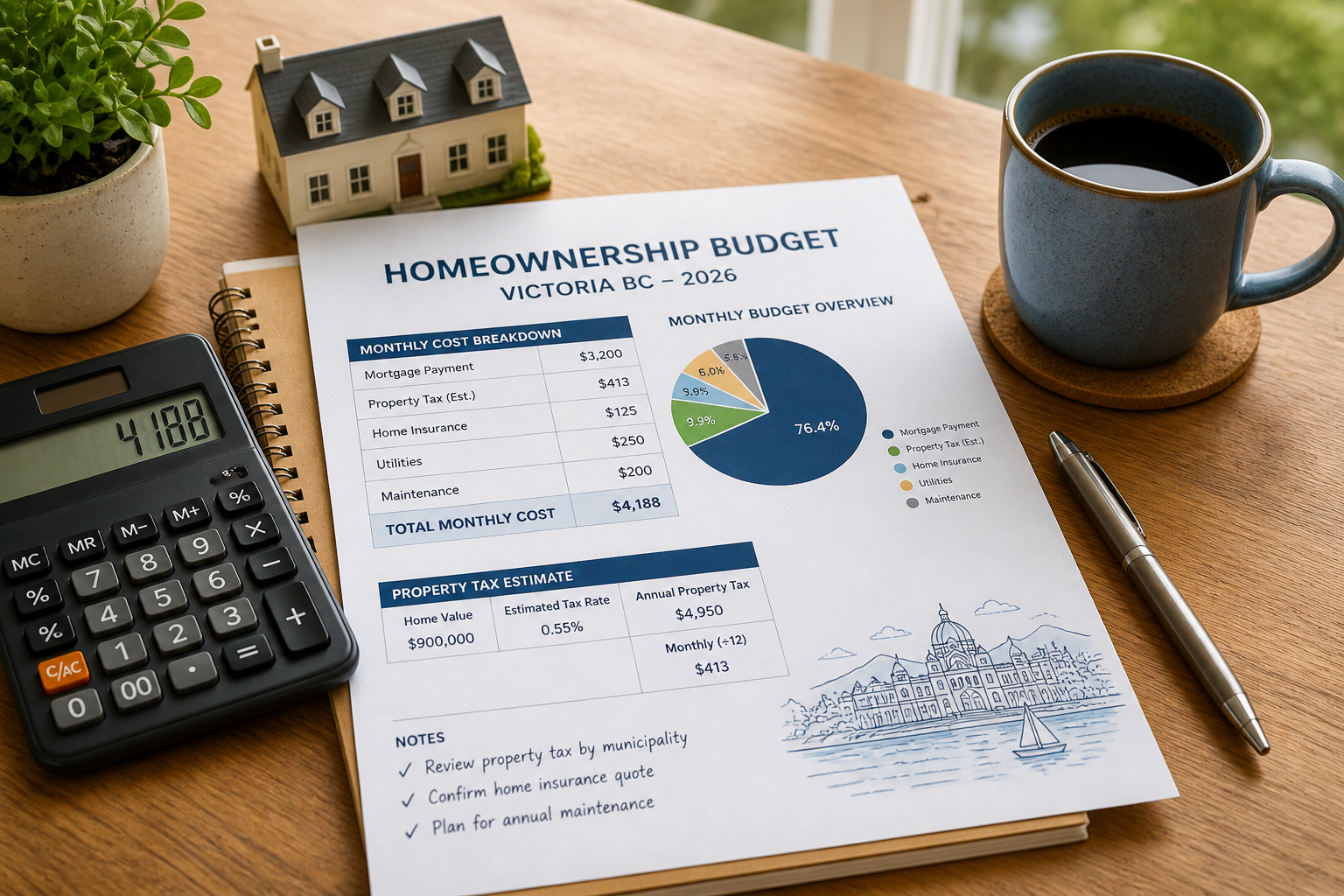
Estimated Assessed Value × Local Tax Rate = Approximate Annual Property Tax

Example:

$900,000 home × 0.4% = approximately $3,600/year before grants or adjustments

This provides a broad educational estimate only. Actual tax notices may also include additional levies, service charges, and local calculations.

Assessed Value vs Market Value

One important thing many buyers do not realize is that assessed value and market value are not the same thing.

BC Assessment values are used for taxation purposes and may differ from a property’s current market value depending on:

  • Market conditions
  • Renovations
  • Neighborhood trends
  • Unique property characteristics
  • Timing of the assessment date

This becomes especially noticeable during changing markets.

Property Tax Rates Across Greater Victoria (2026 Estimate)

Property tax structures and total ownership costs can vary significantly between municipalities across Greater Victoria. This is why it’s important to look at the full monthly ownership picture, not just the purchase price.

Many Greater Victoria homeowners experience effective residential property tax costs somewhere roughly in the range of 0.3%–0.6% of assessed value before grants, depending on the municipality and property type. Property tax rates and total annual taxes can change yearly and should always be verified through the municipality or current listing information.

🔍 When Do You Pay Property Tax in Victoria BC?

Property taxes notices are typically issued in May, with payment due July 2 for most Greater Victoria municipalities.

Property tax may be:

  • Paid directly by the homeowner
  • Collected through some mortgage lenders
  • Subject to penalties if paid late

Understanding timing helps you avoid surprises and manage your cash flow more effectively.

What Property Taxes Actually Pay For

Property taxes support essential local services, including:

  • Schools
  • Roads and infrastructure
  • Emergency services
  • Parks and community spaces
  • Water and sewer systems
  • Libraries and local operations

These services shape your everyday experience, which is one reason different neighborhoods can feel so different.

The BC Home Owner Grant

Many owner-occupiers in BC qualify for the BC Home Owner Grant, which can reduce annual property taxes on a principal residence. For 2026 the grant threshold sits at 2.075 million in assessed value.


Eligibility may depend on:

  • Residency status
  • Property value
  • Age
  • Disability qualifications

For many homeowners, this meaningfully reduces the final tax amount paid each year.

Additional Taxes Some Buyers Should Know About

Some homeowners in BC may also encounter additional taxes such as:

  • The BC Speculation and Vacancy Tax
  • Municipal vacancy taxes, including Victoria’s Empty Homes Tax

These are separate from regular annual property taxes and depend on factors such as residency, occupancy, and property use.

Because rules and exemptions can change, buyers should always verify current requirements directly with the province or municipality.

What This Looks Like in Your Monthly Budget

Many homeowners choose to budget property taxes as a monthly housing cost, even though taxes are usually billed annually.

Example:

$3,600/year = approximately $300/month

When lenders assess affordability, property taxes are included in your overall housing costs alongside your mortgage and insurance.

👉 To understand the full picture, explore the hidden costs of buying a house in Victoria BC (full breakdown).

How Property Tax Impacts Affordability

Two homes with similar purchase prices can still feel very different financially depending on:

  • Tax structure
  • Levies and utilities
  • Strata costs
  • Insurance
  • Long-term maintenance

This is why we often ask clients:

“Does this still feel comfortable once everything is included?”

That question is where clarity happens.

Common Mistakes Buyers Make Around Property Taxes

We often see buyers:

  • Focus only on purchase price
  • Ignore property tax in budgeting
  • Assume taxes are the same everywhere
  • Confuse assessed value with market value
  • Forget to factor in grants or vacancy taxes

👉 These patterns often connect to broader home buying mistakes in Victoria BC, especially when decisions are made too quickly.

How Property Tax Fits Into Your Buying Strategy

Property tax should be part of your planning early.

We guide clients to:

  • Include tax in monthly calculations
  • Compare total ownership costs, not just price
  • Plan for long-term affordability
  • Understand reassessment risks

👉 This connects directly to your mortgage pre-approval in Victoria BC, since lenders evaluate your full financial picture.

Real-Life Perspective: What Buyers Often Overlook

One thing we see consistently is that buyers focus heavily on getting into the market, which makes sense.

But once they move in, the monthly experience matters more than the purchase moment.

If property taxes and ownership costs haven’t been factored in clearly, it can create financial pressure that wasn’t expected.

On the other hand, when buyers understand the full cost picture ahead of time, the experience feels far more stable.

That’s the difference between reacting and planning.

Long-Term Considerations for Property Taxes

Property taxes can change over time based on:

  • Property reassessments
  • Municipal budget changes
  • Infrastructure investments
  • New levies or service costs

New construction homes or significantly renovated properties may also experience larger reassessment increases over time.

This means your costs today may not be the same in five years.

Planning with flexibility in mind helps create a more sustainable decision.

Important Disclaimer


Please note: We are licensed real estate agents, not lawyers, accountants, mortgage brokers, insurance advisors, or strata professionals. This article is intended for general educational and informational purposes only and should not be considered legal, financial, tax, mortgage, insurance, investment, or strata advice. Rules, bylaws, financing requirements, ownership costs, insurance considerations, and strata regulations can change over time and may vary depending on the building and individual circumstances. Buyers should always consult qualified legal, financial, mortgage, insurance, and strata professionals regarding their specific situation before making real estate decisions.

Conclusion

Understanding property tax in Victoria BC gives you a clearer, more grounded view of what homeownership actually looks like.

For buyers planning to enter the market in 2026, understanding property tax, assessments, levies, and long-term ownership costs is essential to building a realistic and sustainable home buying budget.

Your Next Step

Contact Anna Hakim and Perry Fanthorpe today at +1 250 885 7399 or visit Happy Homes Team, and let’s talk about what your next move in Victoria, BC could look like.

Or if you prefer to start with a conversation:

👉 Start here: Victoria BC Real Estate Blog

If you’re starting to think about what kind of lifestyle you want your next home to support, we’re here to talk it through.

Happy Homes Team | eXp Realty Victoria

Homes with soul. Strategy with heart.

Frequently Asked Questions

Q: How much is property tax in Victoria BC?

Many Greater Victoria homeowners experience effective residential property tax costs somewhere roughly in the range of 0.3%–0.6% of assessed value before grants, depending on the municipality and property type.

Q: How is property tax calculated?

Property taxes are influenced by assessed value, municipal tax rates, school taxes, regional levies, utility charges, and local assessments.

Q: Is assessed value the same as market value?

No. BC Assessment values are created for taxation purposes and may differ from a property’s actual market value.

Q: Can property taxes increase?

Yes. Taxes and assessments can change yearly based on reassessments, municipal budgets, levies, and infrastructure costs.

Q: Do property taxes affect mortgage approval?

Yes. Lenders include property taxes in your total housing costs when assessing affordability.

May 6, 2026

Pre-Approval vs Pre-Qualification in Victoria BC (2026): Which One Do You Need Before Buying a Home?

Pre-Approval vs Pre-Qualification in Victoria, BC (2026): Which One Do You Need Before Buying a Home?

Quick Answer:

Pre-qualification is an estimate based on basic financial information.
Pre-approval is a verified process where a lender confirms how much you can borrow and strengthens your position as a buyer.

  • In Victoria BC, pre-approval is required for serious home buying, while pre-qualification is only a starting estimate. Most sellers expect buyers to be pre-approved before accepting an offer.

Buying a home in Victoria BC often starts with one key question:

“Am I actually ready to buy?”

Many buyers also search “mortgage pre-approval vs pre-qualification Victoria BC” when trying to understand which step comes first and what lenders actually require.

We’re Anna Hakim and Perry Fanthorpe from the Happy Homes Team. When we guide clients, this is one of the first conversations we have, because getting this step clear early changes how everything else unfolds.

From what we see day to day, this isn’t just a technical step. It’s an emotional one too. Buyers often feel more confident once they understand where they stand, and that confidence carries through every decision that follows.

Why This Matters in Victoria BC’s Market

In the Greater Victoria real estate market, timing and clarity matter more than most buyers expect.

In Victoria BC, where competition can increase quickly in areas like Saanich, Langford, and Oak Bay, having pre-approval in place can directly impact whether your offer is accepted.

Across the Vancouver Island housing market:

  • Inventory can tighten quickly
  • Well-priced homes don’t stay available long
  • Sellers often prioritize certainty over potential

This is where understanding pre-approval vs pre-qualification in Victoria BC becomes a strategic advantage.

👉 Learn the full home buying process in Victoria BC step-by-step to understand where this fits into your timeline.

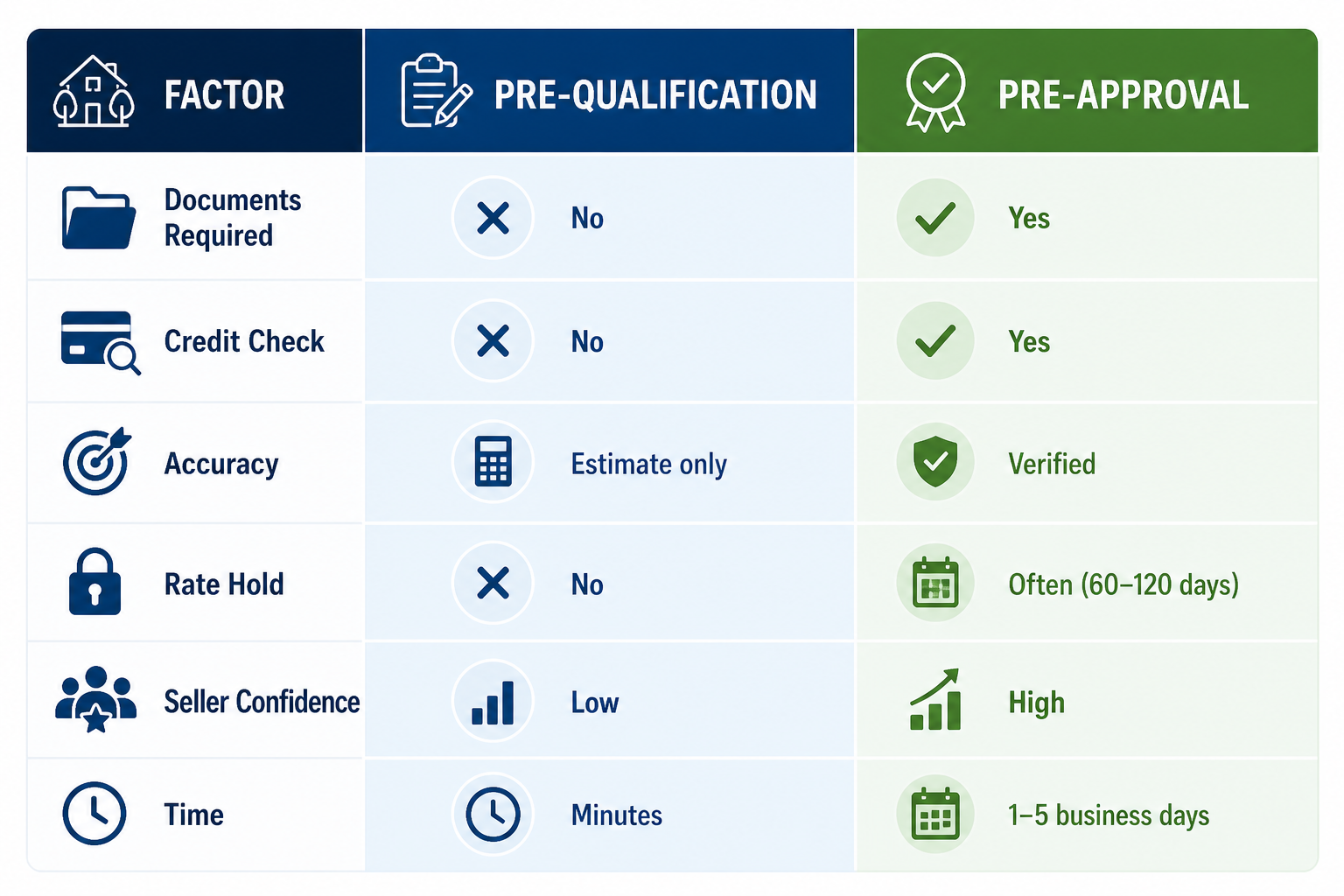
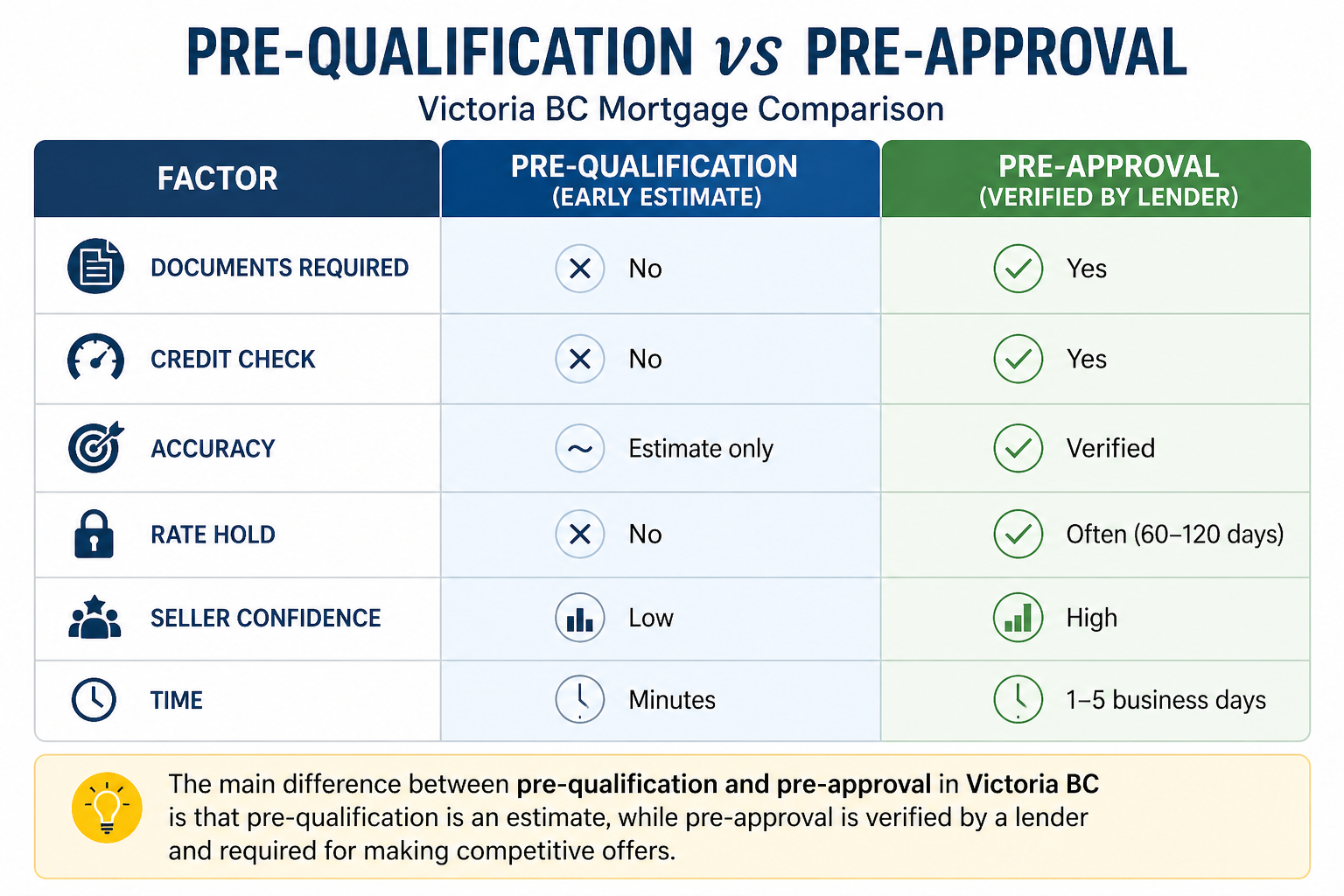
Pre-Qualification vs Pre-Approval (Quick Comparison)

Here’s a clear side-by-side comparison of pre-qualification vs pre-approval in Victoria BC:

  • The main difference between pre-qualification and pre-approval in Victoria BC is that pre-qualification is an estimate, while pre-approval is verified by a lender and required for making competitive offers.

What Is Mortgage Pre-Qualification?

Pre-qualification is usually the first step buyers take when they start thinking about purchasing a home.

It’s based on:

  • Your income
  • Your debts
  • Basic financial details

There’s typically no document verification and no credit check, which makes it fast and accessible.

Because of that, it’s helpful for getting a rough sense of direction. But it’s important to understand that it doesn’t represent a confirmed budget.

We often explain it like this to clients:

Pre-qualification gives you a general idea of what might be possible, but it doesn’t define what’s actually available to you in a real purchase scenario.

When Pre-Qualification Might Be Enough

There are situations where pre-qualification is still a useful step.

For example:

  • You’re just starting to think about buying
  • You’re comparing renting vs owning
  • You want to understand general affordability

At this stage, it can help you begin shaping expectations.

But in Victoria BC, most buyers move quickly beyond pre-qualification once they start looking at real homes.

What Is Mortgage Pre-Approval?

Pre-approval is where things become much more defined.

This is a formal process where a lender:

  • Reviews your financial documents
  • Checks your credit score
  • Confirms your borrowing capacity

Most lenders in Canada follow guidelines set by the Canada Mortgage and Housing Corporation (CMHC) when assessing mortgage pre-approval.

You’ll typically receive:

  • A clear maximum purchase price
  • A pre-approval letter
  • A rate hold for a set period

This is the point where your home search becomes structured rather than exploratory.

👉 If you’re unsure how your financial profile fits into this, reviewing your credit score to buy a home in Victoria BC is a helpful next step.

🔍 When Do You Need Pre-Approval in Victoria BC?

Pre-approval becomes important earlier than many buyers expect.

You should have it in place when:

  • You’re ready to start viewing homes seriously
  • You’re preparing to submit an offer
  • You’re entering a competitive situation

In today’s market, waiting until later can mean missing opportunities.

Buyers who are prepared tend to move more smoothly through the process.

Why Pre-Approval Changes Your Buying Experience

This is where we see the biggest shift.

Before pre-approval:

  • Buyers are exploring
  • Budgets are flexible
  • Decisions feel uncertain

After pre-approval:

  • Budgets become clear
  • Expectations are grounded
  • Decisions feel more confident

👉 Many buyers avoid common home buying mistakes in Victoria BC simply by getting this step right early.

What This Looks Like in Real Life

We’ve worked with many buyers who initially believed they were ready because they were pre-qualified.

But once they moved into pre-approval, their real numbers became clearer, and sometimes different than expected.

That shift can influence:

  • Which homes are realistic
  • How quickly you can act
  • How confident you feel making decisions

Buyers who are pre-approved tend to feel more grounded because they’re working within a defined range.

How Lenders Determine Your Pre-Approval

Lenders look at several key factors:

  • Income and employment stability
  • Debt levels
  • Credit score
  • Down payment

According to CMHC, lenders also assess debt ratios to ensure long-term affordability.

👉 It’s also helpful to understand the hidden costs of buying a house in Victoria BC, since these affect your full budget beyond the mortgage.

Common Misconception: “I’m Already Pre-Approved”

This is something we hear often.

Many buyers are pre-qualified but assume they are pre-approved.

The difference becomes important when you’re making an offer.

Pre-qualification may give you confidence in your search.

Pre-approval gives sellers confidence in your offer.

Can You Buy Without Pre-Approval?

Technically, yes. But it’s more difficult.

In Victoria BC:

  • Sellers expect prepared buyers
  • Offers without pre-approval may be overlooked
  • Timing becomes more challenging

That’s why most buyers complete pre-approval before actively searching.

How to Move from Pre-Qualification to Pre-Approval

The process is straightforward:

  1. Connect with a mortgage broker or lender
  2. Submit your financial documents
  3. Complete a credit check
  4. Receive your verified approval

👉 This step connects directly to your mortgage pre-approval in Victoria BC, which shapes your entire buying strategy.

How We Guide Clients Through This Step

This is one of the most important parts of the process, and where we spend time helping clients feel clear.

We help you:

  • Understand your financial position
  • Connect your numbers to real homes
  • Align your budget with your lifestyle goals

As AI Certified Agents, we also use tools to help map options more clearly.

But what matters most is helping you feel steady and supported as you move forward.

Important Disclaimer

Please note: We are licensed real estate agents, not lawyers, accountants, mortgage brokers, insurance advisors, or strata professionals. This article is intended for general educational and informational purposes only and should not be considered legal, financial, tax, mortgage, insurance, investment, or strata advice. Rules, bylaws, financing requirements, ownership costs, insurance considerations, and strata regulations can change over time and may vary depending on the building and individual circumstances. Buyers should always consult qualified legal, financial, mortgage, insurance, and strata professionals regarding their specific situation before making real estate decisions.

Conclusion

Understanding pre-approval vs pre-qualification in Victoria BC is one of the most important early steps in the home buying process.

It shapes your confidence, your clarity, and your ability to act when the right home appears.

  • For buyers planning to enter the market in 2026, understanding pre-approval vs pre-qualification in Victoria BC is one of the most important early decisions in building a confident home buying strategy.

Your Next Step

Contact Anna Hakim and Perry Fanthorpe today at +1 250 885 7399 or visit Happy Homes Team, and let’s talk about what your next move in Victoria, BC could look like.

Over the years, we’ve built strong relationships with trusted local professionals across Victoria and Vancouver Island, including mortgage brokers, home inspectors, painters, builders, electricians, and lawyers.

So if you don’t already have a mortgage broker or other professionals in place, we’re always happy to connect you with people we trust and who we know take great care of our clients.

👉 That guidance is part of helping the process feel more supported, clear, and manageable from beginning to end.

👉 Start here: Victoria BC Real Estate Blog

Or if you prefer to start with a conversation:

If you’re starting to think about what kind of lifestyle you want your next home to support, we’re here to talk it through.

Homes with soul. Strategy with heart.

Frequently Asked Questions

Q: What is the difference between pre-qualification and pre-approval in Victoria BC?
Pre-qualification is an informal estimate based on basic financial information, while pre-approval is a verified process that includes document review and a credit check.

Q: How long does pre-approval take?
Mortgage pre-approval in Victoria BC typically takes 1 to 5 business days depending on document submission.

Q: Do I need pre-approval before making an offer?
Yes, most sellers expect buyers to be pre-approved before accepting an offer.

Q: Can I rely on pre-qualification alone?
Pre-qualification is useful early, but pre-approval is required when actively buying.

May 5, 2026

Hidden Costs of Buying a House in Victoria BC (2026): Full Breakdown + Budget Guide

Hidden Costs of Buying a House in Victoria, BC (2026 Complete Guide)

Quick Answer:

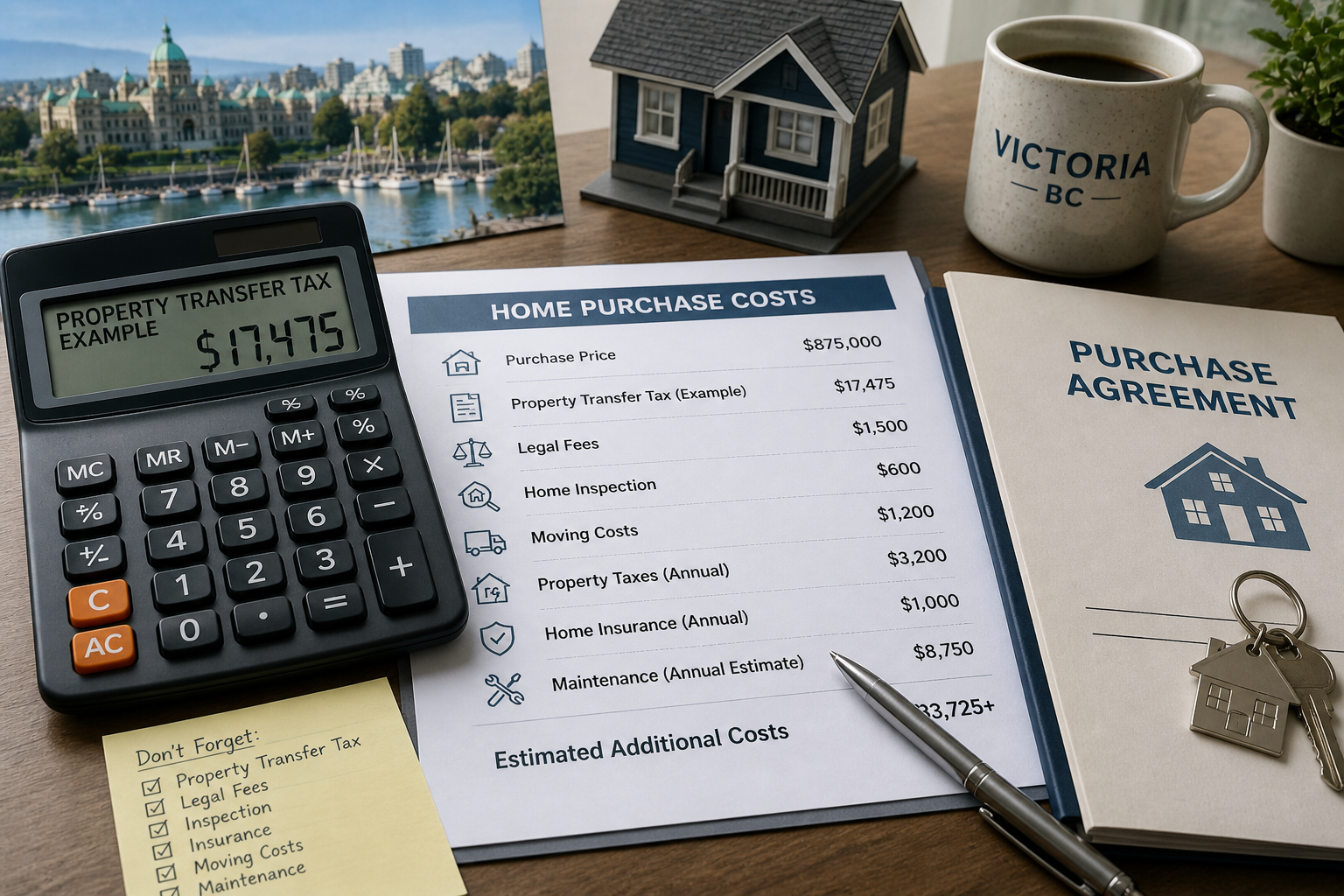
Hidden costs of buying a house in Victoria BC include:

  • Property Transfer Tax (largest upfront cost)
  • Legal and closing fees
  • Home inspection
  • Moving and setup costs
  • Ongoing expenses like maintenance, insurance, and property taxes

Buying a home in Victoria BC is an exciting step, but it’s also where many buyers start to realize that the numbers go beyond what they initially expected.

The price you see isn’t the price you pay.

Most hidden costs of buying a house in Victoria BC don’t appear in the listing. They show up as you move through the process, and if you’re not prepared, they can shift how the entire experience feels.

We’re Anna Hakim and Perry Fanthorpe from the Happy Homes Team. When we guide clients, we focus on helping you understand the full financial picture, not just the purchase price, so your decision feels steady both now and after you move in.

Why Hidden Costs Matter More in Victoria BC

In the Greater Victoria real estate market, cost differences tend to have a bigger impact because home prices are already elevated.

Across the Vancouver Island housing market, we often see:

  • Higher purchase prices leading to larger upfront costs
  • Lifestyle-driven decisions influencing budgets
  • Limited inventory creating urgency

This is why understanding the cost of buying a home Victoria BC 2026 matters early, not later.

👉 If you’re still planning your move, it helps to first understand the cost of living in Victoria BC and how it affects your long-term budget.

Hidden Costs Breakdown: What You’ll Actually Pay in Victoria BC

Property Transfer Tax: The Cost That Changes Everything

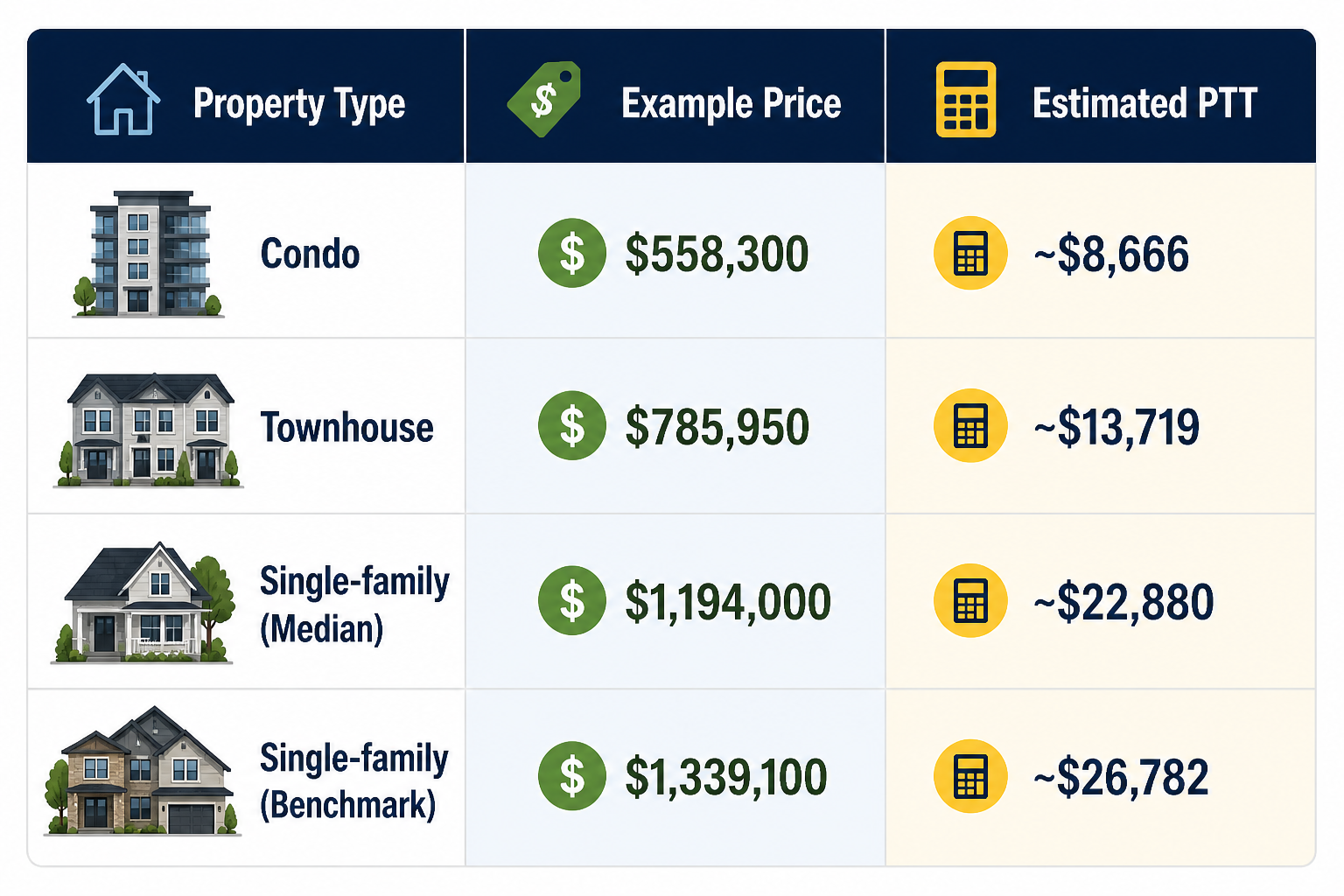
One of the biggest hidden costs of buying a house in Victoria BC is the property transfer tax.

According to the Government of British Columbia:

  • 1% on the first $200,000
  • 2% up to $2 million
  • 3% above that

For many buyers, this becomes a major upfront cost that isn’t always fully anticipated.

👉 This is why we always recommend getting clarity through a mortgage pre-approval in Victoria BC early, so you understand your full budget before making decisions.

Legal and Closing Costs Victoria BC Buyers Should Plan For

When buyers ask, “how much does it cost to buy a house in Victoria BC?”, legal fees are always part of that answer.

These include:

  • Lawyer or notary services
  • Title registration
  • Document preparation

These are part of your closing costs Victoria BC, and they’re essential to completing the purchase.

👉 To better understand how this fits into the full journey, review the process of buying a home in Victoria BC step-by-step.

Home Inspection: A Cost That Protects Your Future

A home inspection is one of the most important steps in avoiding larger financial surprises.

It can uncover:

  • Structural issues
  • Roofing problems
  • Plumbing or electrical concerns

Skipping this step may seem like a way to stay competitive, but it often leads to greater long-term costs.

👉 We often see this come up when buyers are navigating home buying mistakes in Victoria BC, especially in competitive situations.

Moving and Setup Costs

These are the costs that tend to get overlooked because they feel smaller at the time.

They can include:

  • Moving services
  • Utility setup
  • Minor repairs or adjustments
  • Furniture or upgrades

These aren’t part of the purchase, but they are part of your transition.

And that transition matters more than most buyers expect.

Ongoing Costs After You Move In

The hidden costs of buying a house in Victoria BC don’t stop once the purchase is complete.

Ongoing costs include:

  • Property taxes
  • Insurance
  • Maintenance
  • Utilities

According to the Canada Mortgage and Housing Corporation (CMHC), planning for these costs improves long-term financial stability.

A simple guideline:

Plan for about 1% of your home’s value annually for maintenance.

What This Looks Like in Real Life

This is where everything connects.

We’ve worked with buyers who felt confident at the purchase stage, only to feel stretched later once all costs were included.

Not because they made the wrong decision, but because the full picture wasn’t clear upfront.

That’s why we always ask:

“Does this still feel comfortable once everything is included?”

Because that’s what shapes your day-to-day experience.

Common Mistakes Buyers Make Around Hidden Costs

Many of the hidden costs of buying a house in Victoria BC become an issue when buyers:

  • Focus only on the purchase price
  • Don’t plan for closing costs Victoria BC
  • Underestimate ongoing expenses
  • Skip building a financial buffer

👉 These often overlap with broader home buying mistakes in Victoria BC, especially for buyers moving up or adjusting their lifestyle.

How to Plan for Hidden Costs in Victoria BC

Planning ahead brings clarity.

Here’s what we guide clients through:

  • Budget an additional 2%–5% for upfront costs
  • Build a realistic monthly ownership plan
  • Set aside a contingency fund
  • Revisit your numbers before making an offer

👉 If you’re early in your process, it helps to first understand your credit score to buy a home in Victoria BC and how it impacts your financing options.

Why Work With the Right Guidance

This is where the right support makes a real difference.

We help clients:

  • Understand the full financial picture
  • Connect numbers to real-life impact
  • Make decisions that feel sustainable

As AI Certified Agents, we also use tools that help visualize cost scenarios more clearly.

But more importantly, we help you interpret what those numbers actually mean for your life.

Because buying a home isn’t just about affordability.

It’s about alignment.

Important Disclaimer

Please note: We are licensed real estate agents, not lawyers, accountants, mortgage brokers, insurance advisors, or strata professionals. This article is intended for general educational and informational purposes only and should not be considered legal, financial, tax, mortgage, insurance, investment, or strata advice. Rules, bylaws, financing requirements, ownership costs, insurance considerations, and strata regulations can change over time and may vary depending on the building and individual circumstances. Buyers should always consult qualified legal, financial, mortgage, insurance, and strata professionals regarding their specific situation before making real estate decisions.

Conclusion

The hidden costs of buying a house in Victoria BC aren’t something to avoid, they’re something to understand.

When you take the time to plan for them, the process becomes clearer, calmer, and more confident.

And that’s where better decisions happen.

Your Next Step

If you’re starting to think about buying, this is the right time to get clarity on your full financial picture.

We can help you:

  • Understand what your budget really looks like
  • Plan for the true cost of ownership
  • Align your purchase with your long-term lifestyle

👉 Get your personalized home buying plan based on your budget, lifestyle, and goals in Victoria BC 

👉 Start here: Victoria BC Real Estate Blog 

Or reach out for a simple conversation:

Contact Anna Hakim and Perry Fanthorpe today at +1 250 885 7399 or visit Happy Homes Team, and let’s talk about what your next move in Victoria, BC could look like.

Homes with soul. Strategy with heart. 

Frequently Asked Questions

Q: What are the hidden costs when buying a house in Victoria BC?
They include property transfer tax, legal fees, inspections, moving costs, and ongoing expenses like taxes and maintenance.

Q: How much does it cost to buy a house in Victoria BC?
Most buyers should budget an additional 2% to 5% for closing costs Victoria BC, plus ongoing ownership expenses.

Q: Is property transfer tax required?
Yes, in most cases, though some exemptions may apply.

Q: How can I avoid financial surprises?
Plan ahead, understand all costs, and build a complete financial picture before buying.

May 4, 2026

Top Home Buying Mistakes in Victoria BC (2026 Guide)

Complete Guide to Avoiding Home Buying Mistakes in Victoria, BC (2026)

Quick Answer:

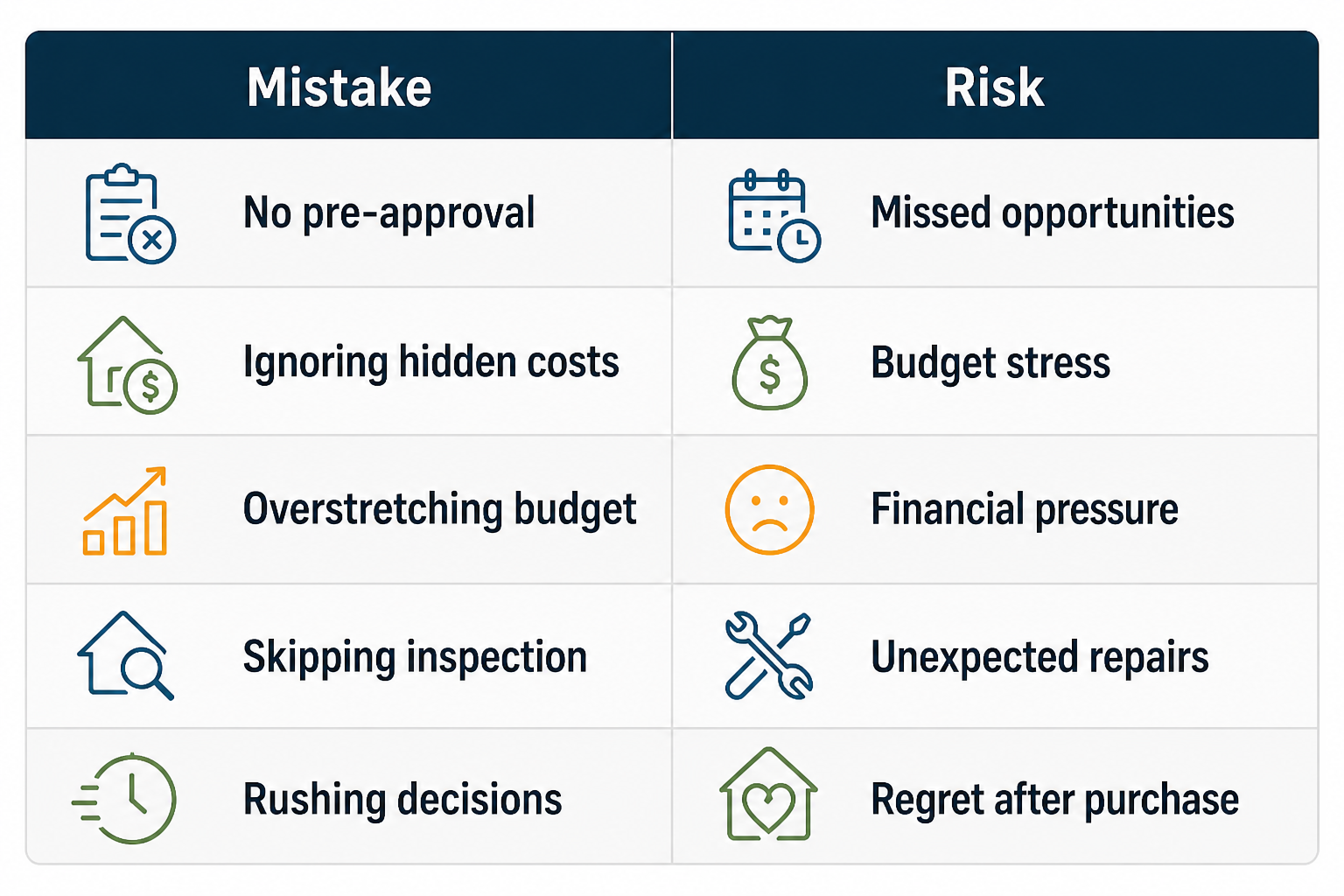
The most common home buying mistakes in Victoria BC include skipping pre-approval, underestimating total costs, overstretching your budget, and rushing decisions in a competitive market.

Buying a home in Victoria BC is exciting, but it’s also where many buyers make decisions they later wish they had approached differently. Most home buying mistakes in Victoria BC don’t come from lack of effort. They come from moving too quickly, reacting to pressure, or making decisions before everything feels fully clear.

We’re Anna Hakim and Perry Fanthorpe from the Happy Homes Team. When we guide clients, we focus on helping you slow things down just enough to make clear, grounded decisions that support your next stage of life.

Why Home Buying Mistakes Are Common in Victoria BC

In Victoria, the market itself creates pressure that can lead to mistakes.

  • Competitive conditions can push faster decisions
  • Limited inventory periods create urgency
  • Higher home prices require stronger financial planning
  • Lifestyle-driven buying can override practical thinking

This combination is why home buying mistakes in Victoria BC tend to happen even for well-prepared buyers.

What Happens If You Don’t Get Pre-Approved Before House

Hunting?

One of the most common home buying mistakes in Victoria BC is starting your search without pre-approval.

Without it, you’re making decisions without a clear financial framework.

  • You may look at homes outside your real budget
  • You risk missing opportunities when timing matters
  • Sellers may not take your offer as seriously

From our experience, this step changes how you move through the process. It replaces uncertainty with clarity.

👉Pre-Approval Guide → Mortgage Pre-Approval Victoria BC (2026 Guide)

What Hidden Costs Should You Expect When Buying a Home

in Victoria BC?

Another major home buying mistake in Victoria BC is focusing only on the purchase price.

Additional costs often include:

  • Property transfer tax
  • Legal and closing fees
  • Home inspections
  • Moving expenses
  • Ongoing property taxes and insurance

Planning for the full picture helps you protect your lifestyle after you move in.

How Do Buyers Overstretch Their Budget Without Realizing It?

This is where many home buying mistakes in Victoria BC happen quietly.

It often looks like:

  • Stretching slightly for the “right” home
  • Assuming future income will offset costs
  • Underestimating monthly expenses

A better question to ask:

Will this still feel comfortable after the excitement settles?

Is Skipping a Home Inspection Ever Worth the Risk?

Skipping an inspection is one of the riskiest home buying mistakes in Victoria BC.

Potential risks include:

  • Structural issues
  • Roofing or drainage concerns
  • Electrical or plumbing problems

This is one area where slowing down can save you significant stress later.

What Other Home Buying Mistakes Do Buyers Make in Victoria BC?

We often see:

  • Rushing decisions without reflection
  • Not fully understanding neighborhoods
  • Prioritizing features over lifestyle

Victoria is made up of very different communities. The right home is not just about the property, but how your daily life fits into that space.

Can First-Time Buyers Avoid Mistakes in Victoria BC?

Yes, most home buying mistakes in Victoria BC are avoidable with the right preparation.

  • Start with financial clarity
  • Take time to understand the market
  • Work with experienced guidance

👉 Credit Score Guide → Minimum Credit Score to Buy a Home in Victoria BC
👉 Down Payment Guide → How to Buy a House in Victoria BC (2026 Step-by-Step Guide)

What Is the Biggest Financial Mistake When Buying a Home?

The biggest financial mistake is stretching beyond what comfortably fits your lifestyle.

It’s not just about qualifying for a mortgage. It’s about maintaining long-term stability.

How Do You Know If You’re Overpaying for a Home?

Signs include:

  • Feeling rushed into a decision
  • Bidding without clear market comparison
  • Ignoring long-term value

This is where local insight and strategy matter.

How Can You Avoid Home Buying Mistakes in Victoria BC?

Avoiding home buying mistakes in Victoria BC comes down to clarity and preparation.

  • Get pre-approved early
  • Understand your full financial picture
  • Ignoring long-term value
  • Take time to explore neighborhoods
  • Think about long-term lifestyle fit
  • Work with guidance that keeps you grounded

Common Home Buying Mistakes (Quick Overview)

Why Work With an AI Certified Agent When Buying a Home?

We combine local knowledge with technology to help you make more informed decisions.

  • Identify homes that match your lifestyle
  • Improve visibility into opportunities
  • Support a more focused search

But the real value is helping you feel clear and supported, not rushed.

Important Disclaimer

Please note: We are licensed real estate agents, not lawyers, accountants, mortgage brokers, insurance advisors, or strata professionals. This article is intended for general educational and informational purposes only and should not be considered legal, financial, tax, mortgage, insurance, investment, or strata advice. Rules, bylaws, financing requirements, ownership costs, insurance considerations, and strata regulations can change over time and may vary depending on the building and individual circumstances. Buyers should always consult qualified legal, financial, mortgage, insurance, and strata professionals regarding their specific situation before making real estate decisions.

Conclusion

Most home buying mistakes in Victoria BC are avoidable when you approach the process with clarity and the right support.

When your finances, priorities, and lifestyle are aligned, the entire experience becomes more grounded and confident.

Your Next Step

If you're starting to think about what kind of lifestyle you want your next home to support, this is the right time to step back and get clear on your options.

We can help you:

  • Understand what your budget really means in today’s Victoria BC market
  • Avoid the most common home buying mistakes in Victoria BC before they happen
  • Identify neighborhoods and homes that actually fit your day-to-day life

👉 Get your personalized home buying plan based on your budget, lifestyle, and goals in Victoria BC

👉 Start here:

Victoria BC Real Estate Blog

Or if you prefer a simple conversation:

Contact Anna Hakim and Perry Fanthorpe today at +1 250 885 7399 or visit Happy Homes Team, and let’s talk about what your next move in Victoria, BC could look like.

Homes with soul. Strategy with heart.

Frequently Asked Questions

Q: What are the most common home buying mistakes in Victoria BC?
Rushing decisions, skipping pre-approval, and underestimating costs are the most common home buying mistakes in Victoria BC.

Q: Do I need pre-approval before buying a home in Victoria BC?
Yes, it helps you understand your budget and strengthens your position when making an offer.

Q: How much should I budget beyond the purchase price?
Typically 2% to 5% for closing costs, plus ongoing expenses.

Q: Is a home inspection necessary?
Yes, inspections help prevent unexpected repair costs and reduce risk.

Q: How can I avoid home buying mistakes in Victoria BC?
Start with a clear plan, understand your finances, and take time to align your decision with your long-term lifestyle.

May 1, 2026

Minimum Credit Score to Buy a Home in Victoria BC (2026 Mortgage Guide + Approval Tips)


Credit Score Requirements to Buy a Home in Victoria BC (2026 Guide)

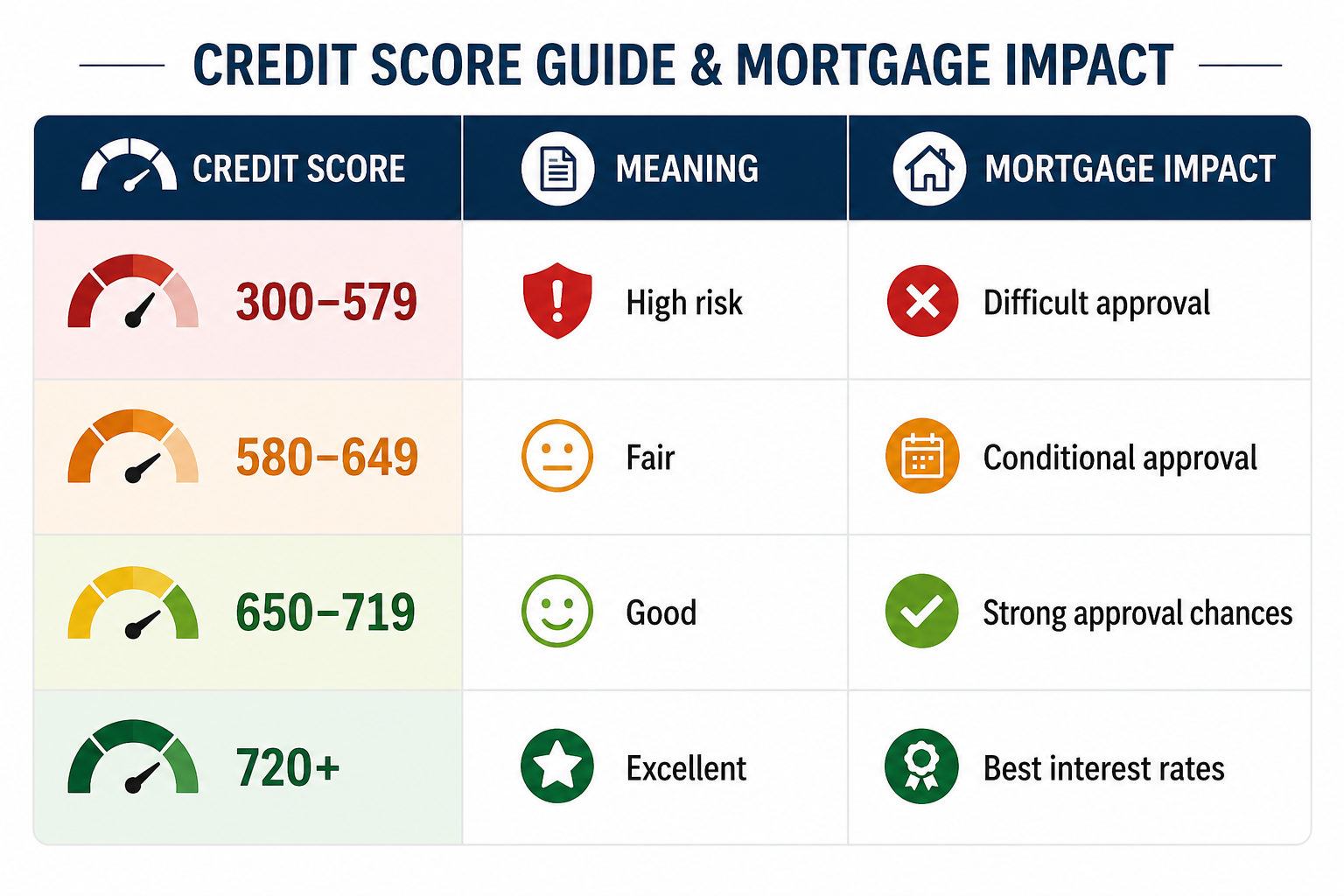
Think you can’t buy a home in Victoria BC? Your credit score might tell a different story.

From our experience working with buyers, this is often where things shift. What feels like a barrier at first usually becomes a clearer path once we understand the full picture.

When it comes to understanding the credit score to buy a home in Victoria BC, many buyers assume they need perfect credit. In reality, lenders look at your full financial picture.

One of the first questions we hear from buyers is simple: “Is my credit good enough to buy?”

And the honest answer is, it depends, but often in a better way than people expect.

We’re Anna and Perry from the Happy Homes Team, and when we guide buyers through this step, we focus less on perfection and more on clarity. Understanding how your credit score works in the context of buying a home in Victoria BC can open doors you might not realize are already available.

Quick Answer: What Credit Score Do You Need?

  • Minimum credit score: Around 600 for most lenders in Canada
  • Stronger approval range: 650–720+
  • Best mortgage rates: Typically 720 and above

Your credit score helps determine not just if you qualify, but also the type of mortgage and interest rate you may receive.

What Is Considered a Good Credit Score in Victoria BC?


Understanding the credit score to buy a home in Victoria BC starts with knowing how lenders categorize ranges.

Many buyers searching “credit score to buy a home in Victoria BC” assume they need perfect credit. In reality, lenders evaluate your full financial profile.


Why Your Credit Score Matters for Buying a Home

Your credit score is a snapshot of how you’ve managed debt over time.

Lenders use it to assess:

  • Reliability in making payments
  • Overall financial habits
  • Risk level for lending

In the Greater Victoria market, where timing and competition can matter, having a clear understanding of your credit position helps you move forward with more confidence.


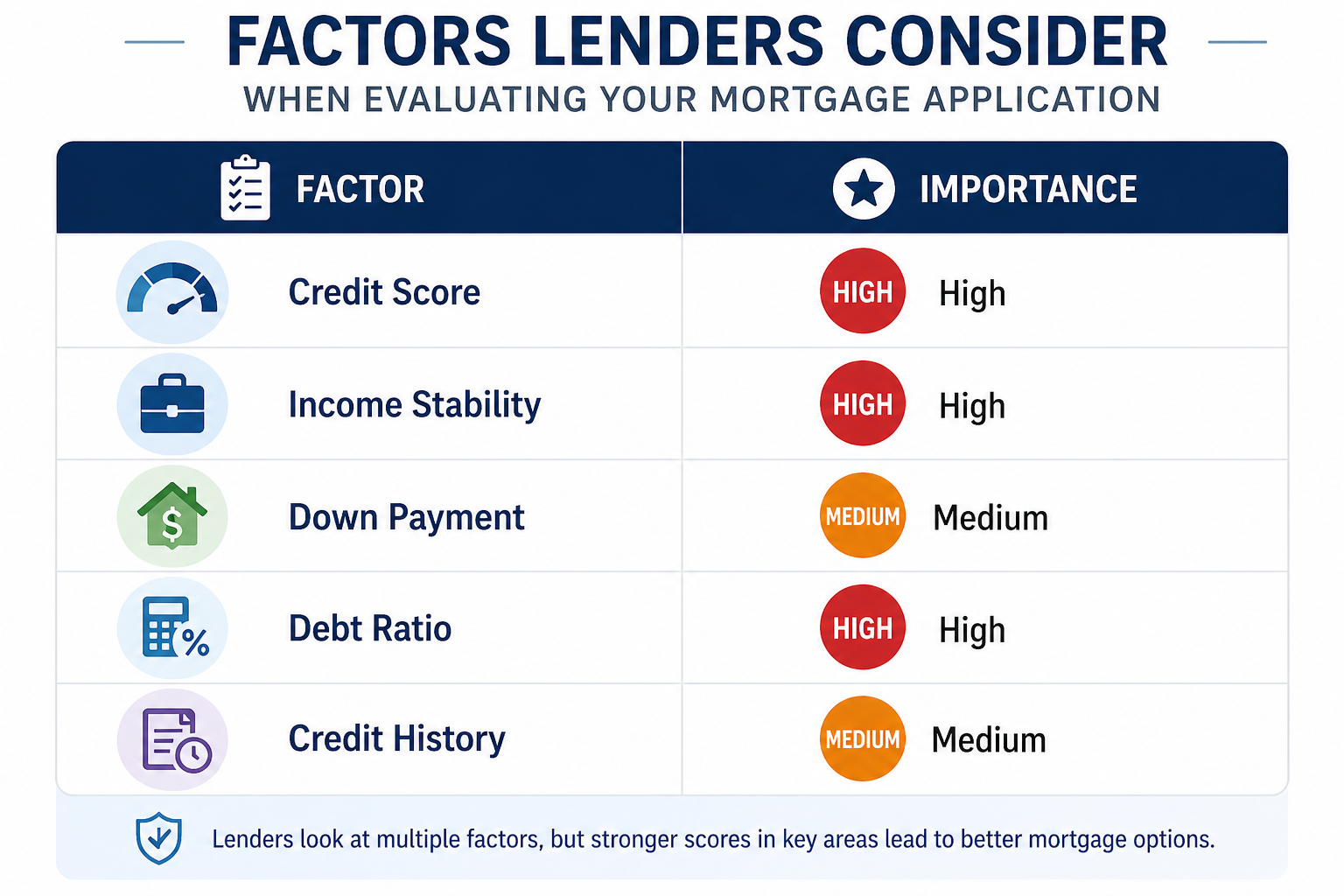
How Lenders Evaluate Your Mortgage Application

Your credit score to buy a home in Victoria BC is important, but it’s only one part of the decision. Lenders also assess income, debt, and overall stability.


Minimum Credit Score for Mortgage Approval in Victoria BC

The minimum credit score Canada mortgage lenders require can vary slightly, but these ranges apply to most buyers in Victoria BC.

For most traditional lenders:

  • 600+ is typically the minimum
  • 650+ improves your approval chances
  • 680+ opens more competitive options

If your score is below this range, alternative lenders may still be an option, though terms and rates can vary.

What This Looks Like in Real Life

This is where things become more practical.

We’ve worked with buyers who assumed they needed years to improve their credit, when in reality, they were already close to qualifying.

Based on our experience working with buyers in Victoria BC, understanding your credit position often brings immediate clarity. It helps you move from uncertainty into a more structured plan.


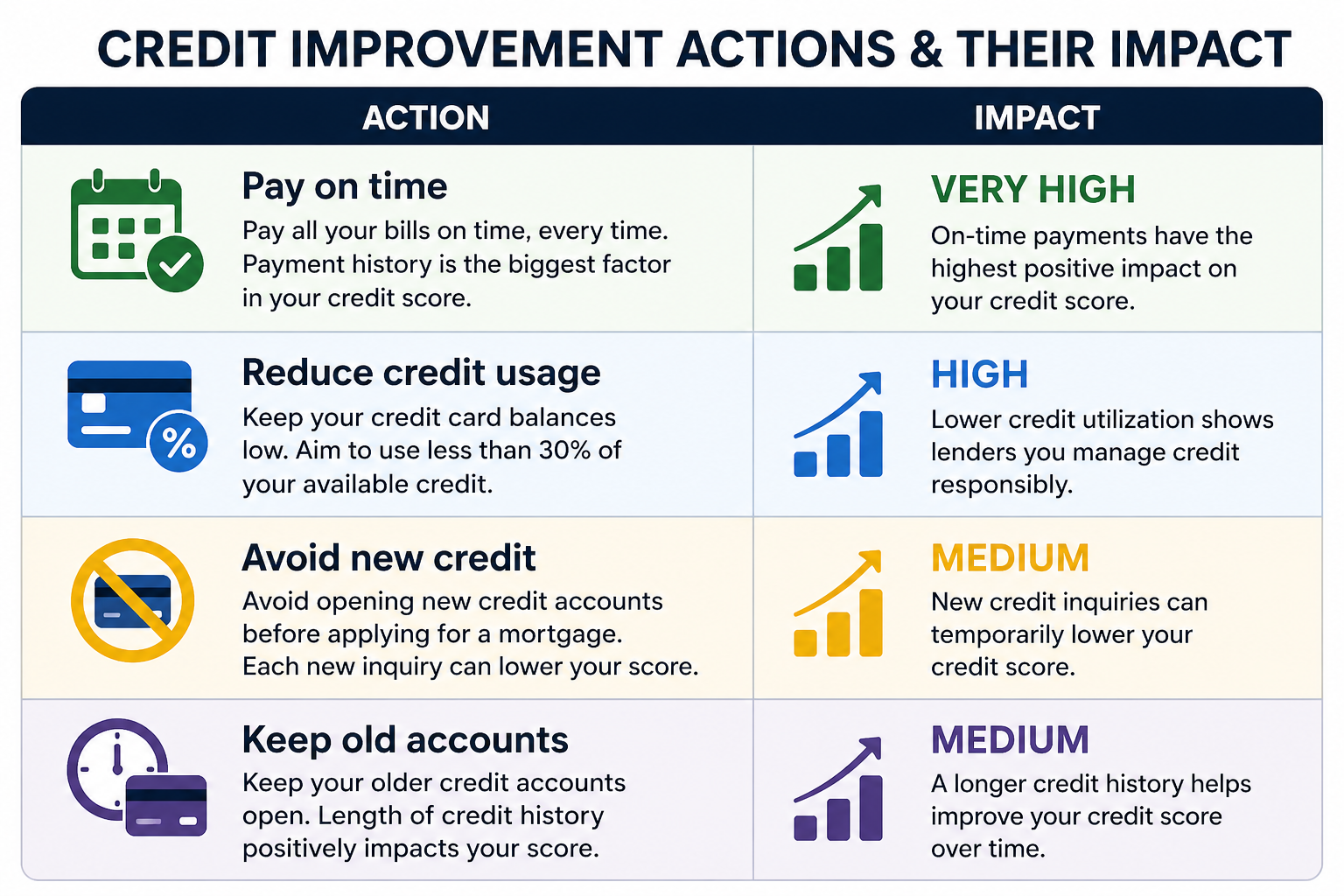
How to Improve Your Credit Score Before Buying

Improving your credit score to buy a home in Victoria BC often comes down to consistent, simple habits over time.

Common Credit Score Mistakes Buyers Make

There are a few patterns we consistently see:

  • Waiting too long to check their credit
  • Assuming they don’t qualify without speaking to a lender
  • Making large purchases before applying
  • Closing accounts that actually help their score
  • Most of these are easy to avoid once you understand how the system works.

Credit Score vs Down Payment: Which Matters More?

Both matter, but they play different roles.

  • Credit score: Determines eligibility and rates
  • Down payment: Affects loan size and mortgage insurance

You don’t need perfect conditions in both areas. The goal is balance.

Why Credit Requirements in Victoria BC Are Different

  • Higher home prices compared to the Canadian average mean lenders assess risk more carefully
  • Stronger financial profiles can improve approval flexibility
  • Pre-approval plays a key role in competitive market conditions

Victoria BC Mortgage Reality (Local Insight)

  • High home prices in Victoria BC require stronger financial preparation
  • Lenders in BC are competitive but flexible based on your full financial profile
  • Mortgage brokers can help improve your approval chances through strategy


Can You Buy a Home with Low Credit in Victoria BC?

Yes, buying with a lower credit score is still possible.

  • Alternative lenders may approve lower scores
  • Interest rates are typically higher
  • Often used as a short-term strategy to enter the market

What Credit Score Do First-Time Buyers Need in BC?

For most first-time buyers, a credit score to buy a home in Victoria BC typically starts around 600, with 650+ offering stronger approval pathways.

Can You Get a Mortgage With Bad Credit in Victoria BC?

Yes, though options may involve alternative lenders and different terms.

How Fast Can You Improve Your Credit Before Buying?

In many cases, noticeable improvements can happen within a few months with consistent habits.

First-Time Buyers: What to Expect

For many first-time buyers in Victoria BC, this step feels like the biggest barrier.

But in practice, it often becomes the most clarifying part of the process.

Once you understand where you stand, everything else, budget, neighborhoods, property types, starts to come into focus.

Local Insight: Victoria BC Market Conditions

In the Greater Victoria and Vancouver Island market, preparation matters.

Having a clear understanding of your credit score before starting your home search allows you to move with more confidence when opportunities arise.

How We Help Clients Navigate Credit Readiness

We help connect your credit profile to your actual home buying plan.

That includes:

  • Understanding what your score means in practical terms
  • Identifying areas that may need improvement
  • Aligning your financial position with real market opportunities

👉 Learn the step-by-step home buying process in Victoria BC → 

How to Buy a House in Victoria BC (2026 Step-by-Step Guide)

Also explore:

  • Mortgage pre-approval in Victoria BC
  • Cost of living in Victoria BC
  • Rent vs buy in Victoria BC

This approach helps reduce uncertainty before you begin viewing homes.

Mid-Process Check: Are You Closer Than You Think?

At this stage, it’s worth asking:

  • Is your credit already within a workable range?

  • Would small adjustments make a difference?

  • Are you closer to qualifying than you expected?

Often, the answer is yes.

Important Disclaimer


Please note: We are licensed real estate agents, not lawyers, accountants, mortgage brokers, insurance advisors, or strata professionals. This article is intended for general educational and informational purposes only and should not be considered legal, financial, tax, mortgage, insurance, investment, or strata advice. Rules, bylaws, financing requirements, ownership costs, insurance considerations, and strata regulations can change over time and may vary depending on the building and individual circumstances. Buyers should always consult qualified legal, financial, mortgage, insurance, and strata professionals regarding their specific situation before making real estate decisions.

Final Thoughts

Your credit score plays an important role in buying a home in Victoria BC, but it’s not the full story.

Understanding where you stand gives you the ability to plan, adjust, and move forward with confidence.

Call to Action

If you're thinking about buying a home in Victoria BC, the best next step is to understand your full financial picture before you start shopping.

We can help you:

  • Understand what your credit score means for your options
  • Connect your budget to real opportunities in the market
  • Build a step-by-step plan based on your situation

👉 Get your personalized Victoria BC home buying plan based on your credit score and budget
👉 Start here: Victoria BC Real Estate Blog 

Contact Anna Hakim and Perry Fanthorpe today at +1 250 885 7399 or visit Happy Homes Team, and let’s talk about what your next move in Victoria, BC could look like.

Homes with soul. Strategy with heart.

Why Work With a Local Victoria BC Realtor

  • Local lender knowledge
  • Market-specific approval strategies
  • Faster, more confident home buying decisions

Frequently Asked Questions

What is the minimum credit score to buy a house in Victoria BC?
Most lenders require a minimum score around 600, though stronger options are available above 650.

Can I buy a home with bad credit in Victoria BC?
It may still be possible through alternative lenders, though terms and rates can vary.

Does a higher credit score lower my mortgage rate?
Yes. Higher credit scores typically qualify for better interest rates.

How long does it take to improve my credit score?
It depends, but meaningful improvements can often happen within a few months with consistent changes.

Should I check my credit before applying for a mortgage?
Yes. Knowing your position early helps you plan and avoid surprises during the process.

Can I buy a house in Victoria BC with a 580 credit score?
Yes, but usually through alternative lenders with higher interest rates and stricter conditions.

Does credit score affect mortgage interest rates?
Yes. Higher credit scores typically qualify for better interest rates and more favorable mortgage terms.

April 30, 2026

Mortgage Pre-Approval Victoria BC (2026 Guide)

Mortgage Pre-Approval Victoria BC (2026): How to Get Approved + How Much You Can Afford

Before you start house hunting in Victoria BC, there is one step that quietly shapes everything that comes after.

Mortgage pre-approval.

When we work with buyers, this is where we begin. It gives structure to your search, clarity around your budget, and confidence in your decisions.

Many buyers looking into mortgage pre-approval in Victoria BC are trying to understand how the process works and how it fits into their timeline. A common question we hear early on is: am I pre-qualified or pre-approved, does it matter?

It does. We will walk through both.


We are Anna and Perry from the Happy Homes Team, and this is how we walk clients through it in a clear and grounded way.


Quick Answer: Mortgage Pre-Approval in Victoria BC


  • What it is: A lender’s verified estimate of how much you can borrow based on income, debt, and credit.

  • How long it takes: Typically 1–5 business days once documents are submitted.

  • Why it matters: Gives you a clear budget and strengthens your offers in the Victoria BC market.

Pre-Approval vs Pre-Qualification Comparison (Victoria BC)

These two terms are often used interchangeably. They describe very different things.

Pre-qualification is an informal, early-stage estimate. You share basic financial details, usually verbally or through a quick online form. A lender gives you a ballpark figure of what you might be able to borrow. No documents are submitted. No credit check is run. It is a useful starting point, but it is not verified.


Pre-approval is a formal process. A lender reviews your actual financial documents, runs a credit check, and issues a written confirmation of how much you can borrow, often with a rate hold included.

In Victoria BC's competitive real estate market, pre-approval is what positions you to make a credible offer. Pre-qualification alone is rarely enough when inventory is limited and sellers have options.

Think of pre-qualification as a compass. Pre-approval is the map.

What Is Mortgage Pre-Approval and Why It Matters

In the Greater Victoria and broader Vancouver Island market, timing and preparation matter. Having a pre-approved mortgage Victoria BC buyers can rely on helps you move with clarity when the right property appears.

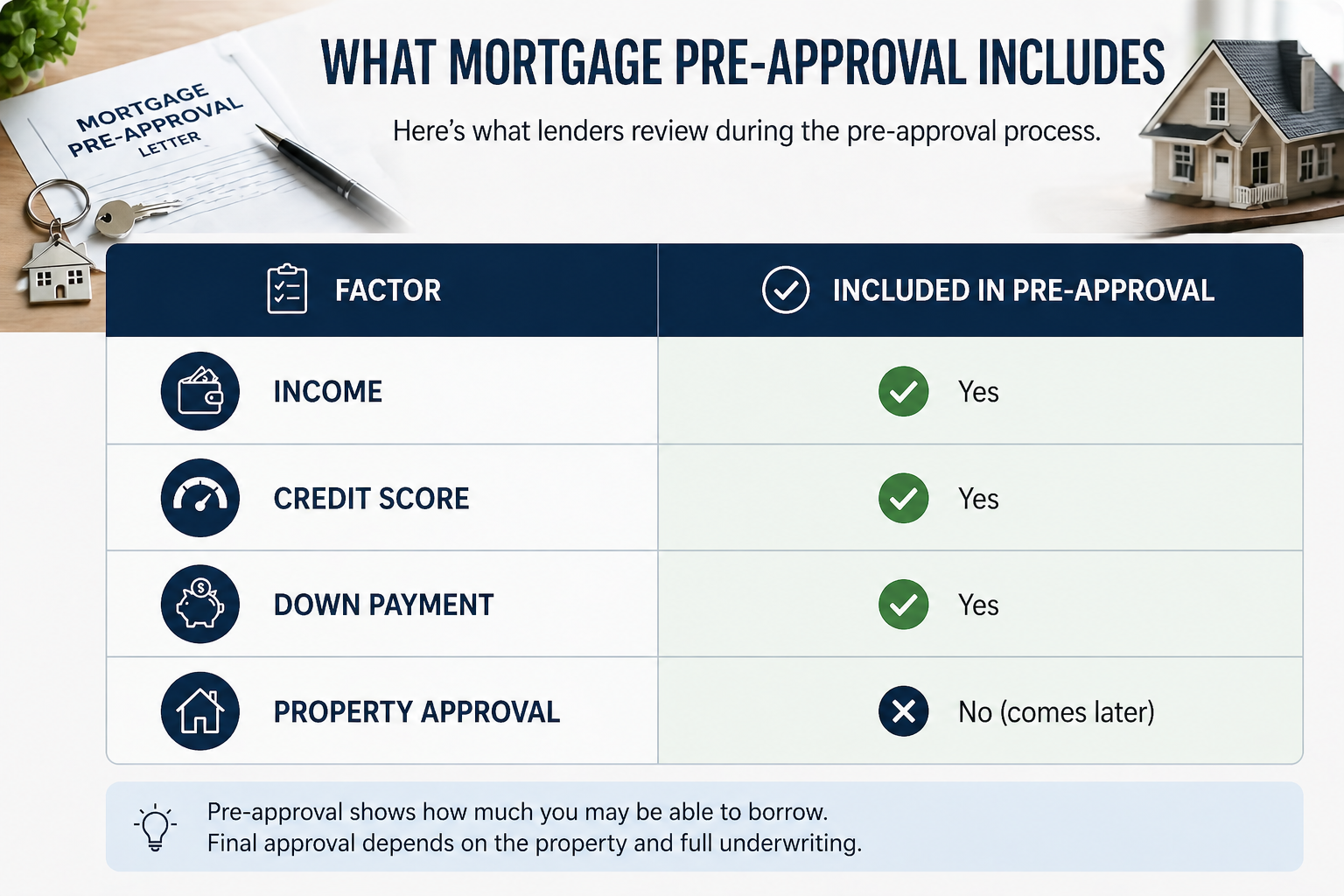
Mortgage pre-approval is a lender’s assessment of how much you can borrow based on your financial profile.

It includes:

  • Your income and employment

  • Your debts and financial obligations

  • Your credit history

  • Your available down payment

This step gives you a working price range that helps guide your search in a realistic way.


According to the Canada Mortgage and Housing Corporation, pre-approval also provides a rate hold for a set period, which can be helpful in a changing interest rate environment.

Why Pre-Approval Shapes Your Entire Buying Process

Once pre-approved, your home search becomes more focused.

You are not guessing at price ranges or stretching into uncertainty. You are working within a framework that reflects your financial reality.

From our experience, this is where buyers feel more grounded.

  • You know your budget range

  • You can act confidently when you find the right home

  • Sellers take your offer more seriously


👉 Learn more about the process of buying a home in Victoria BC
How to Buy a House in Victoria BC (2026 Step-by-Step Guide)

Step-by-Step: How Mortgage Pre-Approval Works in Victoria BC

In Victoria BC’s competitive real estate market, having mortgage pre-approval in place can make a significant difference when submitting an offer.

For many first-time buyers in Victoria BC, mortgage pre-approval is the first major step toward entering the housing market.


Step 1: Connect with a Mortgage Professional

The first step is speaking with a mortgage broker or lender.

They will help you understand your options and outline what is required based on your situation.

Step 2: Gather Your Financial Documents

You will typically need:

  • Proof of income (pay stubs, employment letter)

  • Tax returns or Notices of Assessment

  • Bank statements

  • Details of debts or obligations

This gives the lender a clear picture of your financial position.

Step 3: Credit Review and Financial Assessment

Your lender reviews your credit score and overall financial profile.

This helps determine how much you can borrow and what mortgage terms may be available to you.

Step 4: Determine Your Budget Range

Based on your information, you will receive a pre-approved amount.

This is not just a number. It is a guide that helps shape your home search in a practical way.

Step 5: Rate Hold and Pre-Approval Letter

Most lenders will hold your interest rate for a set period.


You will also receive a pre-approval letter that can be included with offers.

What Mortgage Pre-Approval Includes

How Much Mortgage Can You Afford in Victoria BC?


Many buyers searching "how much mortgage can I afford in Victoria BC" are trying to connect their pre-approval to real monthly costs.

Your affordability depends on income, debt, interest rates, and down payment. Most lenders use debt ratios to determine how much you can borrow.

What Mortgage Pre-Approval Looks Like in Real Life

This is where the process becomes more meaningful.

If you are pre-approved, your search tends to feel more focused and less reactive. You are not adjusting expectations with every listing. You are working within a clear range that aligns with your financial position.

That clarity often makes the experience feel more manageable.

What Affects Your Mortgage Pre-Approval Amount

Several factors influence how much you are approved for:

  • Income and job stability

  • Existing debt levels

  • Credit score

  • Down payment size

According to the Bank of Canada, interest rates also play a role in how much buyers can qualify for over time.

For many first-time buyers in Victoria BC, understanding these factors is an important step toward entering the market with confidence.


Common Mistakes to Avoid During Pre-Approval

There are a few things we guide clients to stay mindful of during this stage:

  • Making large purchases before final approval

  • Changing jobs without discussing it with your lender

  • Taking on new debt

Keeping your financial picture stable during this period helps maintain your approval conditions.

How We Help Clients Navigate Pre-Approval

As AI-Certified Agents, we support this step by helping you connect the numbers to your actual home search.

We look at:

  • What your budget means in different Victoria neighborhoods

  • How your price range aligns with property types

  • What opportunities exist within your approval range

👉 Explore the best areas to live in Victoria BC
Best Areas to Live in Victoria BC (2026 Buyer Guide) 

This approach helps bring clarity before you start viewing homes.

Affordability Check: What Could Your Budget Look Like?

Before moving forward, it can help to run a simple affordability estimate based on your income, down payment, and interest rates.

Use a mortgage calculator to explore what your monthly payments could look like and how that fits into your overall budget.

👉 Try a simple affordability calculator here:
Mortgage Payment Calculator Canada

This step often brings clarity before you begin viewing homes, especially when connecting your pre-approval amount to real monthly costs.

Mid-Process Check: Are You Ready to Move Forward?

At this stage, many buyers pause and reassess.

  • Does your approved range feel comfortable?

  • Does it align with your expectations?

  • Are you ready to move forward with a purchase timeline?

If something feels unclear, this is the right time to revisit it.

👉 Start here:
Victoria BC Real Estate Blog  

Final Thoughts

Mortgage pre-approval is one of the most important steps in the home buying process in Victoria BC.

It provides structure, clarity, and confidence as you move forward.

Understanding your mortgage pre-approval in Victoria BC helps shape your budget, your options, and your overall buying strategy.

For anyone planning to buy, understanding mortgage pre-approval in Victoria BC is one of the most important steps in building a confident and realistic home buying plan.

Call to Action

If you're getting ready to buy in Victoria BC, the most helpful next step is to connect your pre-approval to a clear plan before you start home shopping.

We can help you:

  • Understand what your pre-approved mortgage Victoria BC buyers rely on means in today’s market

  • Match your budget to the right neighborhoods and property types

  • Build a step-by-step approach so you can move forward with confidence

👉 Start here:
Victoria BC Real Estate Blog  


Contact Anna Hakim and Perry Fanthorpe at +1 250 885 7399 and connect with the Happy Homes Team today. 

Homes with soul. Strategy with heart.

Frequently Asked Questions

What is the difference between pre-qualified and pre-approved? 

Pre-qualification is an informal estimate based on information you provide, with no documents or credit check required. Pre-approval is a verified process where a lender reviews your financial documents and credit history, and provides a confirmed borrowing amount, often with a rate hold. In Victoria BC's market, pre-approval is what sellers expect to see.

How long does mortgage pre-approval take in Victoria BC? 

Mortgage pre-approval in Victoria BC typically takes 1 to 5 business days, depending on how quickly you submit your documents.

How long does a pre-approval last? 

Most pre-approvals are valid for 60 to 120 days, depending on the lender.

Does pre-approval guarantee a mortgage? 

Pre-approval is a strong indication, but final approval depends on the property and full underwriting.

Do I need pre-approval before making an offer? 


In most cases, yes. It strengthens your position and helps your offer be taken seriously. Pre-qualification alone is generally not sufficient in Victoria BC's market.

April 29, 2026

Rent vs Buy in Victoria BC (2026 Guide)


Rent vs Buy in Victoria BC (2026): Should You Rent or Buy?

Is renting still the smarter move, or is buying a home in Victoria BC the better long-term decision in 2026?

This is one of the most common conversations we have with clients. And usually, it starts with numbers, but it never ends there.

Because the real question is not just what costs more today. It is what supports your life over time.

Many people comparing rent vs buy in Victoria BC are trying to understand how this decision affects their daily routine, their flexibility, and their long-term goals.

We are Anna and Perry from the Happy House Team, and this is how we guide clients through this decision in a way that feels clear, grounded, and aligned with real life.


Many people searching “should I rent or buy in Victoria BC” are trying to understand not just cost, but long-term lifestyle and financial impact.


What Does Renting vs Buying in Victoria BC Really Mean in 2026?

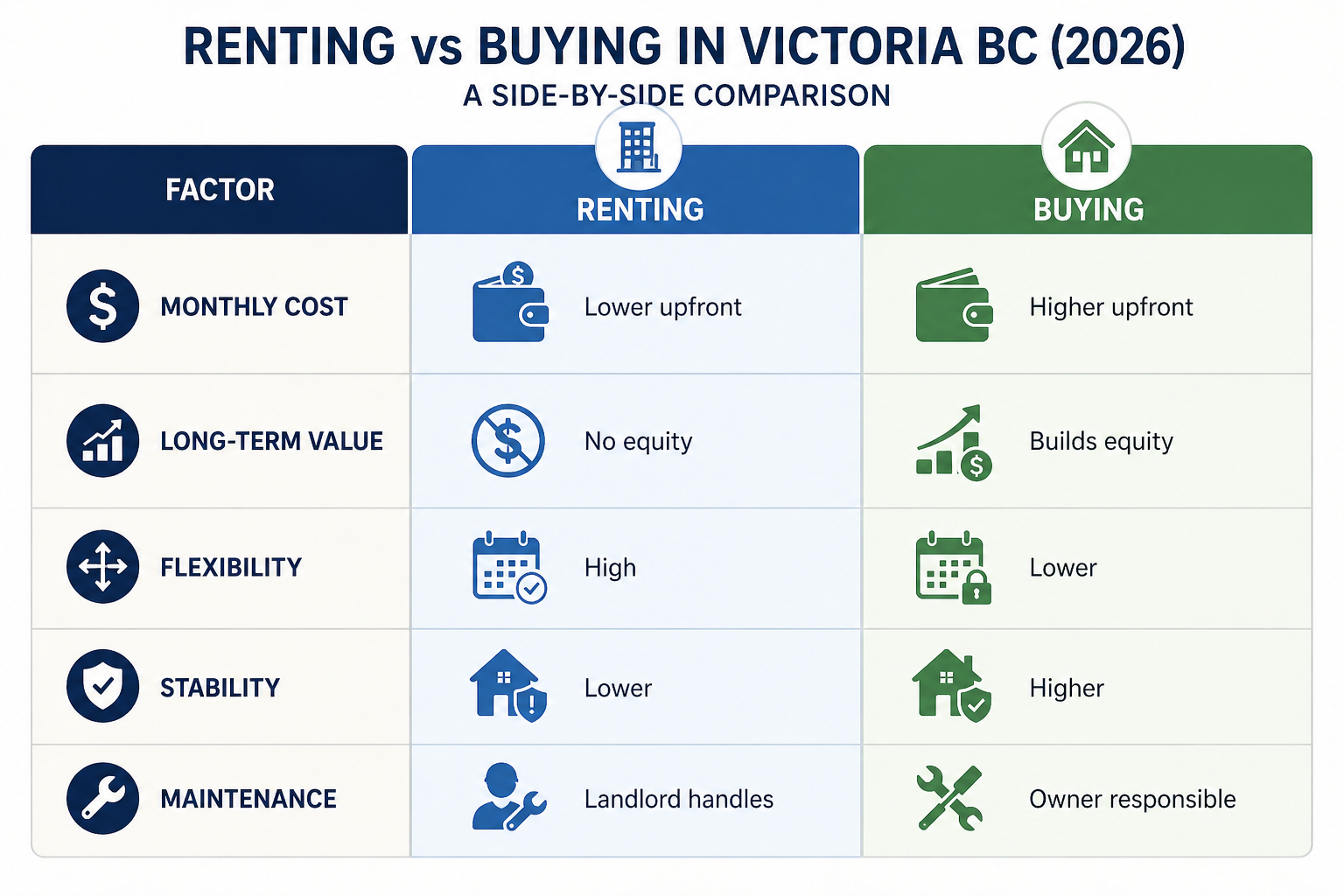
At a basic level, renting gives you flexibility, while buying creates long-term stability.

But in Victoria, it is rarely that simple.

Rental demand remains strong, and prices continue to rise. At the same time, ownership comes with higher upfront commitment but a different kind of long-term benefit.

According to Canada Mortgage and Housing Corporation, rental demand in Victoria continues to outpace supply, which puts pressure on pricing.


That means many renters are not just paying for flexibility. They are navigating increasing costs without building anything long term.


Why Are More People Re-Evaluating Rent vs Buy Right Now?

We are seeing more buyers pause and reassess this decision carefully.

They’re taking a step back and choosing with intention, looking at where they’re headed, not just where they are.

Something has shifted.

• Rent increases are becoming more noticeable year over year
• Buyers are thinking longer term about stability
• Lifestyle priorities are changing, especially around space and routine

According to Statistics Canada, housing remains one of the largest expenses for Canadian households, which is why this decision carries more weight than it used to.

When we talk this through with clients, we usually come back to one question:


What do you want your life to feel like a few years from now?


How Do Monthly Costs Compare in Victoria BC?

On paper, renting often looks more manageable at first.

Typical ranges we are seeing:

• Rent: $2,200 to $3,500 per month depending on size and location
• Ownership: Mortgage, taxes, and either strata fees or maintenance costs

But this is where we slow things down with clients.

Because monthly cost is only part of the picture.

When you own, a portion of your payment contributes to equity over time. It is not just an expense, it becomes part of your financial structure.

According to the Canadian Real Estate Association, homeownership continues to be a primary way Canadians build long-term financial stability.


So the real question is not just what costs less today.


It is what builds something over time.

What Are the Trade-Offs of Renting in Victoria BC?

Renting can work well in the right phase of life.

Where renting fits:

• Over time, rising rental costs can make long-term financial planning more difficult.

• You need flexibility or are not settled long term
• You are still exploring different areas
• You want minimal responsibility for maintenance

What to be aware of:

• Rent typically increases over time
• You are not building equity
• Your control over the space is limited

We often see clients feel comfortable renting for a period of time. Then gradually, the conversation shifts as costs rise and their lifestyle becomes more established.

What Are the Trade-Offs of Buying in Victoria BC?

Buying is less about a quick decision and more about a shift in how you want to live.

Where buying fits:

• While upfront costs are higher, ownership can build long-term financial stability through equity.

• You are thinking longer term
• Stability matters more than flexibility
• You want control over your space

What to be aware of:

• Upfront costs, including down payment and closing costs
• Ongoing maintenance responsibilities
• Less flexibility if your situation changes quickly

According to Ratehub, closing costs in BC typically range from 1.5% to 4% of the purchase price, which is important to factor into planning.

When we guide clients, we are not asking whether buying is better than renting.


We are asking whether ownership fits your life right now.

What Renting vs Buying Looks Like in Real Life

This is usually where clarity starts to come in.

If your work or lifestyle requires flexibility, renting may continue to make sense.

If your routine is becoming more stable and you are thinking further ahead, ownership often starts to feel more aligned.

We have worked with clients who stayed in the rental market longer than expected because it felt easier. But once they stepped back and looked at their long-term goals, the shift toward ownership became clearer.

Not because they had to move, but because it made more sense for how they wanted to live.

What Financial Factors Actually Matter?

Before making a decision, we always help clients look at the full picture.

For many first-time buyers in Victoria BC, this decision is the starting point of entering the housing market.

That includes:

• Down payment and upfront costs
• Monthly affordability
• Interest rates and mortgage structure
• Long-term plans and timeline

According to the Bank of Canada, interest rate changes directly impact affordability, which is why timing and structure both matter.

But we always come back to the same point.

It is not about perfectly timing the market.

It is about making a decision that feels sustainable for you.

How We Help Clients Make This Decision

As AI-Certified Agents, we do use tools to break down numbers clearly.

But more importantly, we guide this as a conversation.

We look at:

• What your current lifestyle looks like
• What might change in the next few years
• How flexible you need to be

From there, the right direction tends to become clearer.

Because this decision is not just financial.

It is about how you want your life to function.

Mid-Decision Check: What Direction Are You Leaning?

If you're somewhere in the middle, that's completely normal. Most buyers are.

At this stage, it can help to pause and pressure-test your direction.

  • Are you leaning toward stability or flexibility?

  • Do you see yourself in Victoria for the next few years?

  • Would ownership simplify your life or add stress right now?

If you’re unsure, we can map this out with you using your real numbers and timeline, not assumptions.

👉 If you want a clearer picture, start here:
Victoria BC Real Estate Blog 

Final Thoughts

Deciding whether to rent or buy in Victoria BC can significantly impact your finances, flexibility, and long-term lifestyle.

Choosing between renting and buying in Victoria BC is about finding what fits your life now and supports your financial path, your daily routine, and your long-term flexibility.

If you are starting to think about what direction makes sense, we are here to walk it through with you.


Contact Anna Hakim and Perry Fanthorpe today at +1 250 885 7399 or visit Happy Homes Team, and let’s talk about what your next move in Victoria, BC could look like. 

Homes with soul. Strategy with heart. 

Frequently Asked Questions

Q: Is it cheaper to rent or buy in Victoria BC in 2026?
A: Renting is usually cheaper in the short term, while buying becomes more cost-effective over time if you stay long enough to build equity.

Q: How much do I need to buy a home in Victoria BC?
A: Most buyers need between 5% and 20% down, plus closing costs, depending on the property and financing.

Q: Is renting a waste of money?
A: Renting provides flexibility, which can be valuable. However, it does not build long-term equity like ownership.


Q: When does buying make more sense than renting?
A: Buying typically makes more sense when you plan to stay longer term and want stability and growth over time.

April 28, 2026

Condo vs Townhouse vs House in Victoria BC: Which Should You Buy in 2026?

Condo vs Townhouse vs Detached House in Victoria BC: Which Should You Buy in 2026?

Introduction: Choosing the Right Property Type Matters More Than You Think

Condo, townhouse, or house, choosing the wrong one can shape how your life feels day to day for years.

When we sit down with buyers in Victoria BC, this is one of the first decisions we slow down and work through together.

Most buyers begin with numbers. We begin with alignment, what actually fits your life, your rhythm, and where you’re going next.

Because each option carries a different rhythm.

  • How much space you live in

  • How much time you spend maintaining it

  • How flexible your setup feels over time

Our goal is not to push you toward a property type. It’s to help you choose something that still makes sense once real life settles in.

Many buyers comparing condo vs townhouse vs house in Victoria BC want to understand not just price, but long-term lifestyle and flexibility.


Overview: How Property Types Work in Victoria BC

Victoria offers a range of property types, but they tend to cluster in different ways.

  • Condos are often closer to the core, with walkability and convenience

  • Townhouses sit in between, offering more space without full ownership responsibilities

  • Detached homes are spread across neighborhoods, offering flexibility and privacy

👉 Explore the best areas to live in Victoria BC
Best Areas to Live in Victoria BC (2026 Buyer Guide)

Why This Decision Matters More Than Most Buyers Expect

This choice tends to show up later, not right away.

At first, everything feels exciting.

But over time, what you chose starts to shape your daily experience.

We often walk clients through a few simple questions:

  • How do you want your mornings to feel?

  • How much time do you want to spend maintaining your home?

  • How long do you realistically see yourself staying?

Because the goal is not just to get into the market.

It’s to land somewhere that continues to work as your life evolves.

Condo vs Townhouse vs Detached House in Victoria BC (Key Differences)


Condos

Typical Price Range:

  • $400K – $700K

What It Feels Like:
Condos often provide the simplest entry into the market and a more streamlined day-to-day experience.

Where they work well:

  • Condos and townhouses are often the best property types in Victoria BC for first-time buyers.

  • Buyers who want to stay close to the core

  • Those who prefer less maintenance

  • People with more flexible or mobile lifestyles

What to think about:

  • Monthly strata fees and what they cover

  • Monthly strata fees can significantly affect your total monthly cost, even if the purchase price is lower.

  • Limited space and storage

  • Shared decision-making within the building


Townhouses

Typical Price Range:

  • $650K – $900K

What It Feels Like:
Townhouses often represent a middle ground, more room to live, without taking on everything a detached home requires.

Where they work well:

  • Buyers transitioning out of condo living

  • Families needing more functional space

  • Those wanting a balance between independence and simplicity

What to think about:

  • Ongoing strata involvement

  • Shared walls and proximity to neighbors

  • Layout differences that can affect long-term usability


Detached Houses

Typical Price Range:

  • $850K+

What It Feels Like:
Detached homes offer the most control and flexibility, but they also require more from you.

Where they work well:

  • Buyers planning to stay longer term

  • Families needing space to grow

  • Those who value privacy and control over their environment

What to think about:

  • Ongoing maintenance and upkeep

  • Higher carrying costs overall

  • The time commitment that comes with ownership

What Living in Each Option Actually Looks Like

If you work downtown and value simplicity, a condo can make your daily routine easier.

If your needs are changing and space is becoming more important, a townhouse often provides that next step without adding too much complexity.

If you’re thinking longer term and want flexibility, a detached home tends to give you more room to adapt over time.

The key is not what sounds best.

It’s what holds up once your routine settles in.

What This Looks Like Day-to-Day

If you work downtown, a condo can simplify your commute and routine.
If you need more space for family or work-from-home, a townhouse offers balance.
If you’re planning long-term, a detached home gives the most flexibility.


Real Estate Insights (2026)

  • Condos continue to be the most accessible entry point

  • Townhomes are in strong demand as families look for more space

  • Detached homes remain steady in long-term appeal


👉 Learn more about cost planning
Cost of Living Victoria BC 2026: What Homebuyers Need to Know 

Pros and Cons (A More Realistic View)

Condos:

  • Simplify ownership and location

  • Trade-off is space and control

Townhouses:

  • Offer balance and flexibility

  • Trade-off is shared structure and governance

Houses:

  • Provide independence and long-term adaptability

  • Trade-off is cost and ongoing responsibility

There’s no perfect option.

Only the one that fits your life right now and still works a few years from now.


How We Help Buyers Choose the Right Fit

When we walk clients through this, we don’t start with the property.

We start with your life.

  • What your days look like now

  • What might change in the next few years

  • How much flexibility you want to maintain

From there, the right option usually becomes clearer.

👉 Learn how to compete in the market
How to Make a Competitive Offer in Victoria BC (2026 Guide)

Final Thoughts

Choosing between a condo, townhouse, or house in Victoria BC is not about picking the “best” option.

It’s about choosing the one that aligns with how you want to live.

Your time. Your space. Your routine.

When those line up, the decision tends to feel much more straightforward.

Frequently Asked Questions

Is a condo or townhouse better in Victoria BC?

A condo is best for low maintenance and central living, while a townhouse offers more space and flexibility for growing needs.

Are detached homes worth it in Victoria BC?

For buyers planning long term, they often provide the most flexibility and control.

What is the best option for first-time buyers?

Condos and townhomes are often practical entry points, depending on budget and lifestyle.

How do I choose the right property type?

Start with your routine, your timeline, and how much responsibility you want to take on.

Is it better to buy smaller or stretch for more space?

It depends on what feels sustainable. The goal is not to stretch, but to choose something that supports your life comfortably.


Choosing between a condo, townhouse, or house in Victoria BC can significantly impact your lifestyle, costs, and long-term flexibility.

Call to Action

Choosing the right property type in Victoria BC is a decision that shapes your day-to-day life.

If you're working through whether a condo, townhouse, or house fits you best, we’re here to help you think it through clearly.

👉 Start here:
Victoria BC Real Estate Blog

Or reach out anytime and we’ll walk through your options together.


Contact Anna Hakim and Perry Fanthorpe today at +1 250 885 7399 or visit Happy Homes Team, and let’s talk about what your next move in Victoria, BC could look like.


Homes with soul. Strategy with heart.

April 27, 2026

Best Family-Friendly Areas in Victoria BC (2026 Guide)

Best Neighborhoods in Victoria BC for Families (2026 Guide)

Introduction: Is Victoria BC a Good Place to Raise a Family?

Thinking about moving your family to Victoria BC?

When we sit down with families, the conversation usually starts the same way. There’s excitement about the lifestyle, but also a need for clarity.

Not just where to live, but how it will actually feel once you’re there.

Because at this stage, it’s not just about the home. It’s about your day-to-day life.

  • Where your kids go to school

  • How your mornings flow

  • How long your commute really feels

  • Whether the neighborhood supports the life you want

Our role is to help you make a decision that still feels right a year from now, not just on moving day.

Many families searching for the best neighborhoods in Victoria BC for families are looking for clarity on schools, commute, and long-term fit.


Overview: What “Family-Friendly” Really Means in Victoria BC

When we guide families, we don’t start with listings.

We start with how you live.

A family-friendly area in Victoria is less about labels and more about alignment. It’s where a few key pieces come together in a way that supports your routine.

  • Schools that fit your needs

  • Streets that feel comfortable and settled

  • Access to parks, activities, and outdoor space

  • A commute that works for your real schedule

  • A community you can see yourself being part of

👉 Explore the best areas to live in Victoria BC
Best Areas to Live in Victoria BC (2026 Buyer Guide) 

Why Families Are Choosing Victoria BC

Victoria offers something many buyers are looking for right now.

It’s not just a lifestyle. It’s balanced.

Families are drawn here because it allows them to step into a different pace without giving up access to what matters.

  • A milder climate that supports outdoor living year-round

  • Proximity to the ocean and nature

  • A strong sense of community across many neighborhoods

  • A pace that often feels more manageable than larger cities

But within Victoria, each area feels different. And those differences shape your day more than most buyers expect.

Best Neighborhoods in Victoria BC for Families


1. Saanich (A Collection of Micro-Markets)

Saanich is often the starting point for families, and for good reason. It offers range, access, and flexibility.

But it’s not one single experience.

  • Gordon Head tends to attract families focused on schools and proximity to the university

  • Broadmead feels more established, quiet, and residential

  • Cordova Bay offers a coastal feel with a tight-knit community dynamic

These areas are often considered among the safest neighborhoods in Victoria BC for families.

Why families start here:

  • Central access to most parts of Greater Victoria

  • Consistent school options

  • A mix of home types that can adapt as your needs change

What to think about:

  • Pricing and competition vary by pocket

  • The feel can change significantly from one neighborhood to another


2. Oak Bay

Oak Bay tends to come up when families are looking for stability and a strong sense of place.

It’s one of the more established areas, and that shows in how it feels day to day.

Why families choose Oak Bay:

  • Consistent school reputation

  • Walkable, community-oriented streets

  • Long-term stability in the housing market

What to think about:

  • Higher price points

  • Limited availability, which can require patience


3. Langford

Langford often enters the conversation when families are looking for more space and a different kind of ease.

It’s not just about newer homes.

It’s usually about finding a setup that works better for how you live.

Why families choose Langford:

  • More space and newer construction

  • Family-oriented developments with parks and amenities

  • A layout that often feels more functional for growing households

What to think about:

  • Commute into Victoria, especially during peak times

  • Some areas are still developing, which affects how established they feel


4. Colwood

Colwood tends to appeal to families who want a slightly quieter pace while staying connected to the Westshore.

It’s often less about change and more about finding a rhythm that feels sustainable.

Why families choose Colwood:

  • Access to the ocean and outdoor space

  • A more relaxed day-to-day feel

  • Growing communities without the same level of intensity as nearby areas

What to think about:

  • Fewer amenities compared to more central locations

  • Commute still plays a role depending on your routine


5. View Royal

View Royal is often overlooked, which is part of why it can work so well for certain families.

It sits between Victoria and the Westshore, offering a quieter environment with access in both directions.

Why families choose View Royal:

  • Central positioning between key areas

  • Quiet, residential neighborhoods

  • Access to parks, trails, and water

What to think about:

  • Limited inventory can make timing important

  • Some pockets are less walkable than others

What Living Here Actually Looks Like

If you work downtown, areas like Saanich or View Royal can help reduce commute time.
If walkability and schools are your priority, Oak Bay often stands out.
If you need more space, Langford or Colwood may offer better long-term flexibility.


Key Details Families Should Consider

When we guide families through this decision, we bring it back to a few consistent anchors.

  • School catchments and future options

  • Commute patterns that fit your real schedule

  • Access to activities, parks, and daily essentials

  • Whether the home and area will still work as your family grows

👉 For a clearer picture of monthly costs and planning:
Cost of Living Victoria BC 2026: What Homebuyers Need to Know 

Pros and Cons of Family Living in Victoria BC

What works well:

  • A strong sense of community across many neighborhoods

  • Access to outdoor living year-round

  • A pace that supports family routines

What requires planning:

  • Housing costs are higher than many markets

  • Inventory in key areas can be limited

  • Trade-offs between space, location, and commute are real

The goal isn’t to avoid trade-offs. It’s to understand them clearly and choose what fits your life.

Real Estate Insights for Families (2026)

Family-oriented homes continue to see steady demand across Greater Victoria.

  • Detached homes in established neighborhoods remain competitive

  • Townhomes are becoming a practical entry point for many families

  • Buyers are prioritizing lifestyle fit over being as close to downtown as possible

👉 If you're preparing to buy, strategy matters here:
How to Make a Competitive Offer in Victoria BC (2026 Guide) 

Who These Areas Are a Good Fit For

These areas tend to work well for:

  • Growing families planning for the next stage

  • Buyers relocating and looking for long-term fit

  • Move-up buyers needing more functional space

Final Thoughts

Choosing where to live with your family is rarely about finding the “perfect” neighborhood.

It’s about finding the one that supports your life in a practical, consistent way.

Your mornings. Your routines. Your pace.

When those pieces line up, everything else tends to follow.

Frequently Asked Questions

What are the best family-friendly areas in Victoria BC?

Saanich, Oak Bay, Langford, Colwood, and View Royal are among the most considered, depending on your priorities.

Is Victoria BC a good place to raise kids?

Yes, Victoria BC is considered one of the best places in Canada to raise kids due to its safety, schools, and access to outdoor activities.

Are there good schools in Victoria BC?

Yes. There are a range of public and private options across Greater Victoria.

Is Langford a good choice for families?

It can be a strong fit for families needing more space and newer homes, especially if the commute works for their routine.

How do we choose the right area?

Start with your daily routine, then match that to neighborhoods that support it. That’s where the right fit usually becomes clear.

Call to Action

If you're starting to think about where your family would feel most at home in Victoria BC, the best next step is to talk it through.

We can help you:

  • Compare areas based on how you actually live

  • Understand realistic options

  • Build a plan that supports your next move

👉 Start here:
Victoria BC Real Estate Blog  

Or reach out anytime. We’ll walk through it together.


Contact Anna Hakim and Perry Fanthorpe today at +1 250 885 7399 or visit Happy Homes Team, and let’s talk about what your next move in Victoria, BC could look like.


Homes with soul. Strategy with heart.